Please join me on Substack
I am now writing on Substack . While there, sign up to receive an email whenever a new article is published. It is free. Click the image above or follow this link: https://nathanwinograd.substack.com/ Although no new…
All writing by Nathan Winograd
Showing 867 of 867 posts.
I am now writing on Substack . While there, sign up to receive an email whenever a new article is published. It is free. Click the image above or follow this link: https://nathanwinograd.substack.com/ Although no new…
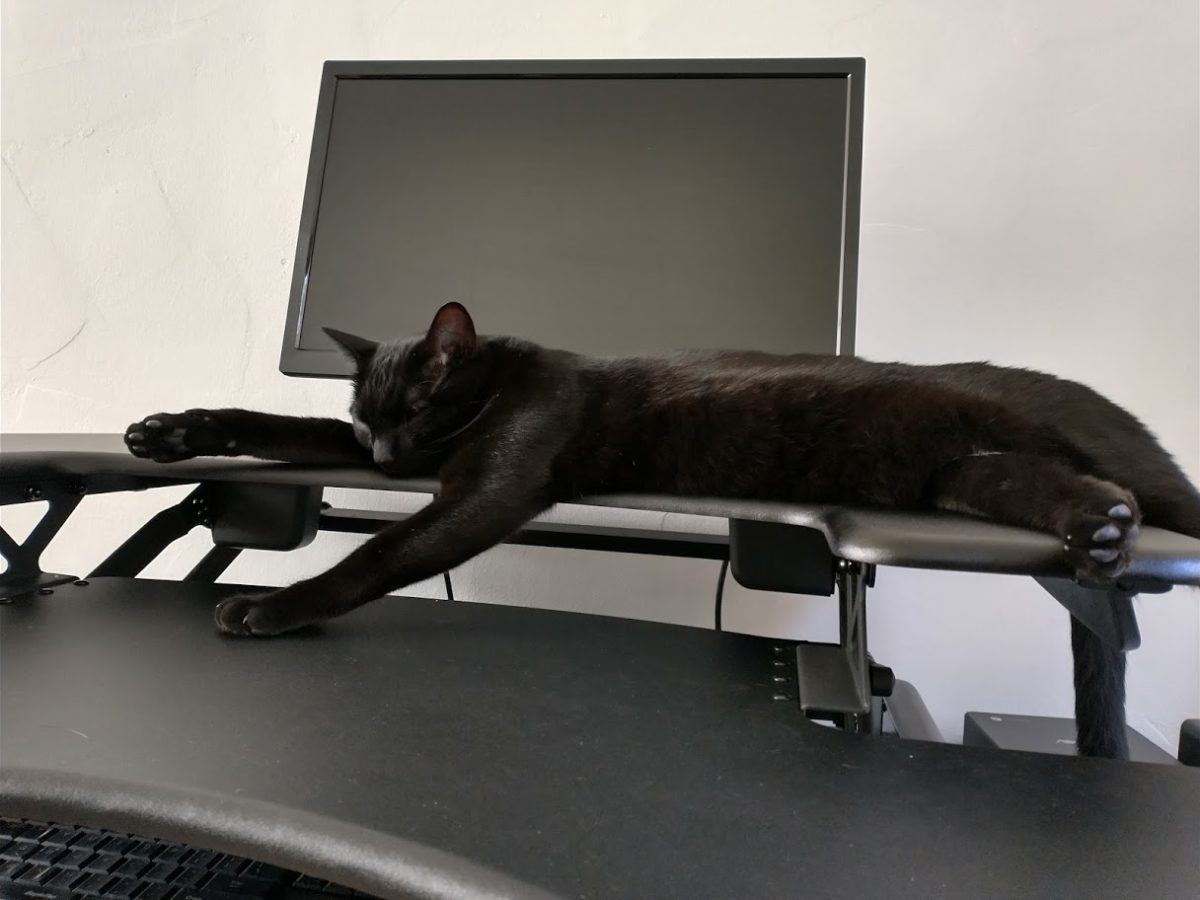
My cat Ziggy, sleeping on my office computer. This could soon be his new veterinarian's "waiting room" if a California lawsuit in favor of telehealth appointments is successful. Less stress, less cost, more healthcare,…
Arguing that the "overwhelming majority of the animals of the overwhelming majority of species appear to have significant suffering but little (or no) happiness in their lives," a growing number of philosophers,…
"[T]here is no indication of SARS-Cov-2 circulating in stray cats." It is time to close the book on concerns about COVID-19 transmission vis-a-vis dogs and cats. Despite a year of alarmist headlines, here is what we…
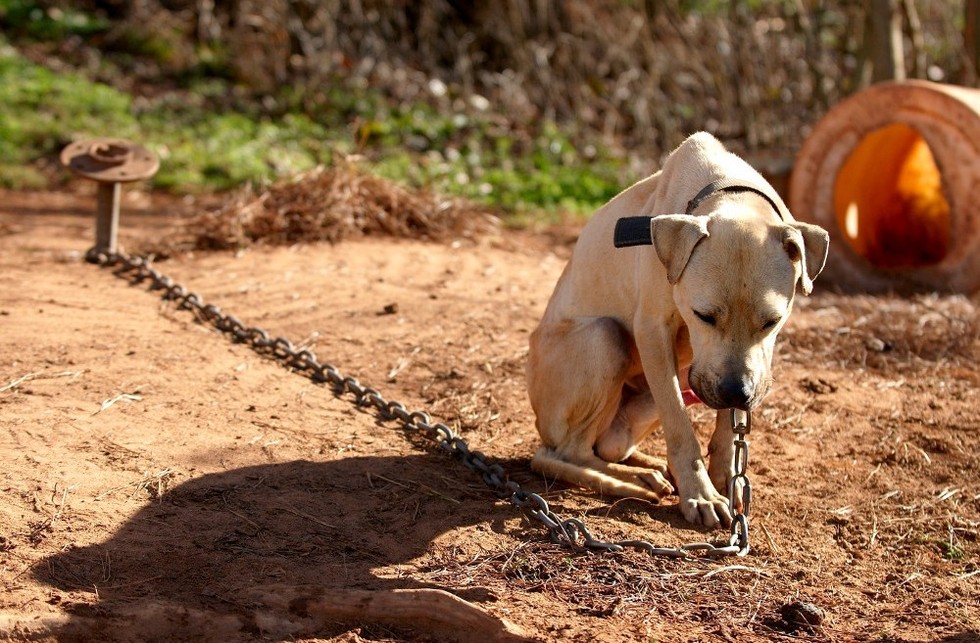
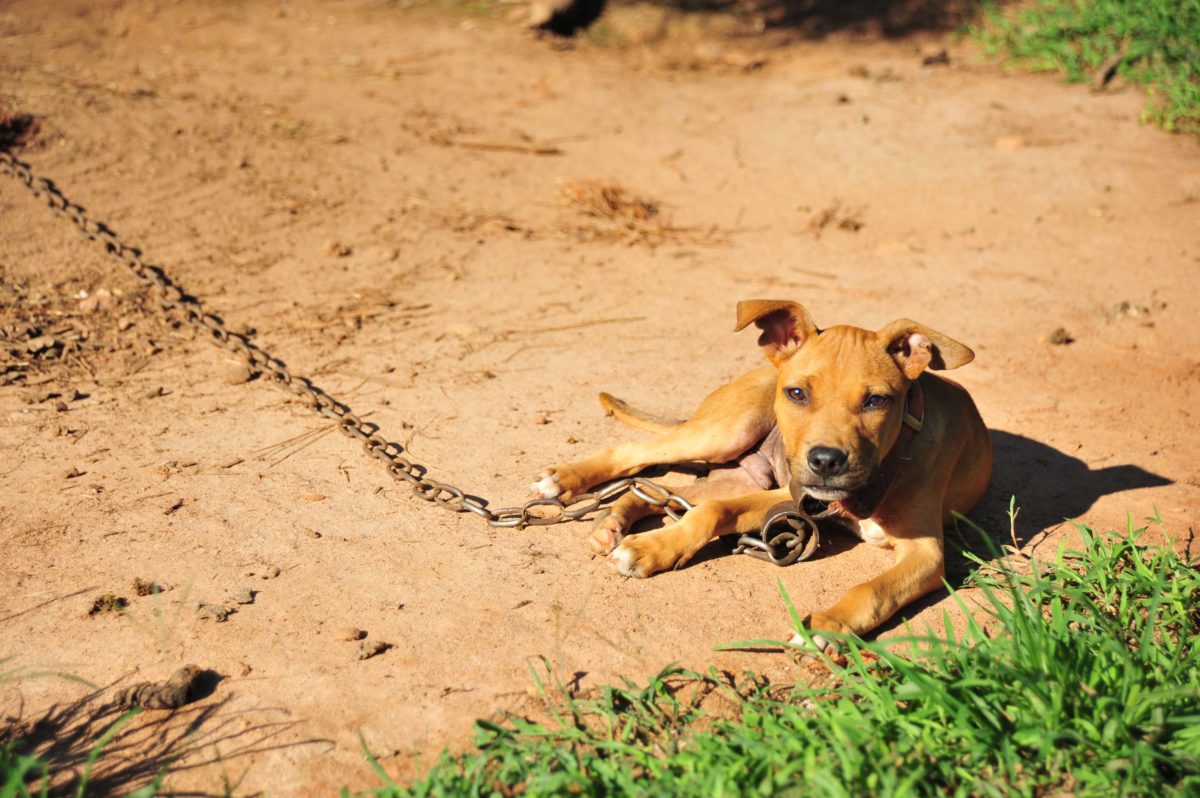
Extremists on both ends of the spectrum — the NRA on the Right and, on the Left, critical race theorists — are keeping dogs on chains. My article defending dogs from a cruel and racist claim made by University of…
This little cat was left in the parking lot of Los Angeles Animal Services when the person trying to surrender him was turned away because the pound closed its doors for much of the year. A rescuer trying to help the…
The Centers for Disease Control has recently issued guidance on care of pet dogs and cats in the age of COVID-19 and it has led to a number of news articles about it . Unfortunately, that guidance is — I want to say — a…
Even when — as is the case more often than not — simply getting the animal out of the pound can resolve any concerns. Mr. Pickles — young, healthy, friendly, already neutered — should have had everything going for him;…
Extremists on both ends of the spectrum — the NRA on the Right and, on the Left, critical race theorists — are keeping dogs on chains. "And homeless near a thousand homes I stood" — William Wordsworth SB 650, a bill to…
Unfortunately, the magazine accepted their excuse, overlooking the real reasons why One of PETA's 42,573 known victims. Newsweek has a recurring feature they call "Fact Check" in which they evaluate various claims…
A lawsuit says Franklin County, OH's dog pound (FCACC) is retaliating against rescuers, putting dogs at risk. A Complaint now pending in Federal Court alleges a "failure to implement basic industry standards" and "dogs…
A former student is suing the University of Wisconsin - Madison (UW) for violation of her First Amendment rights. The plaintiff worked at a lab that uses primates for "behavioral research." She "claims that during her…
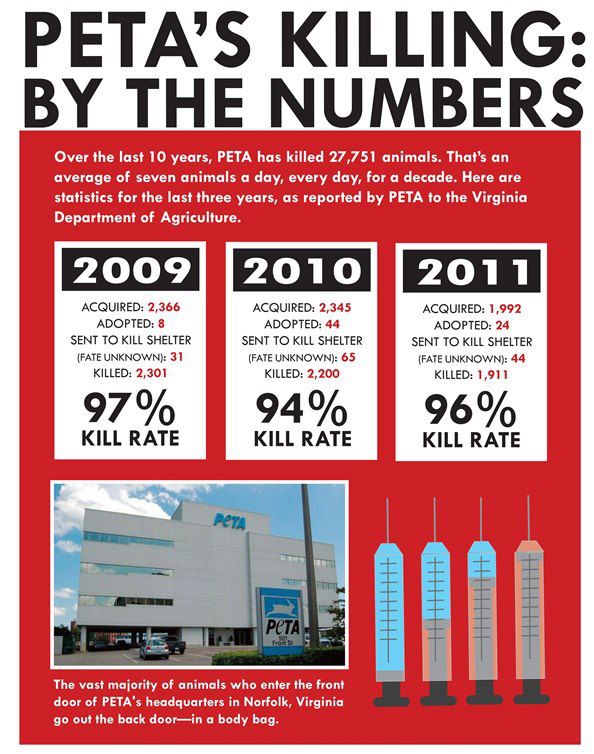
Every February — as surely as the sun rises in the east and sets in the west — you can be certain that the following events will occur: The Virginia Department of Agriculture will release PETA's statistics for the prior…
Photo from left: Scotty, Olive, Ms. Romero. A nationwide class action lawsuit claims Scotty and Olive are among the hundreds of dogs killed by adulterated Sportmix dog food. A nationwide class action lawsuit has been…
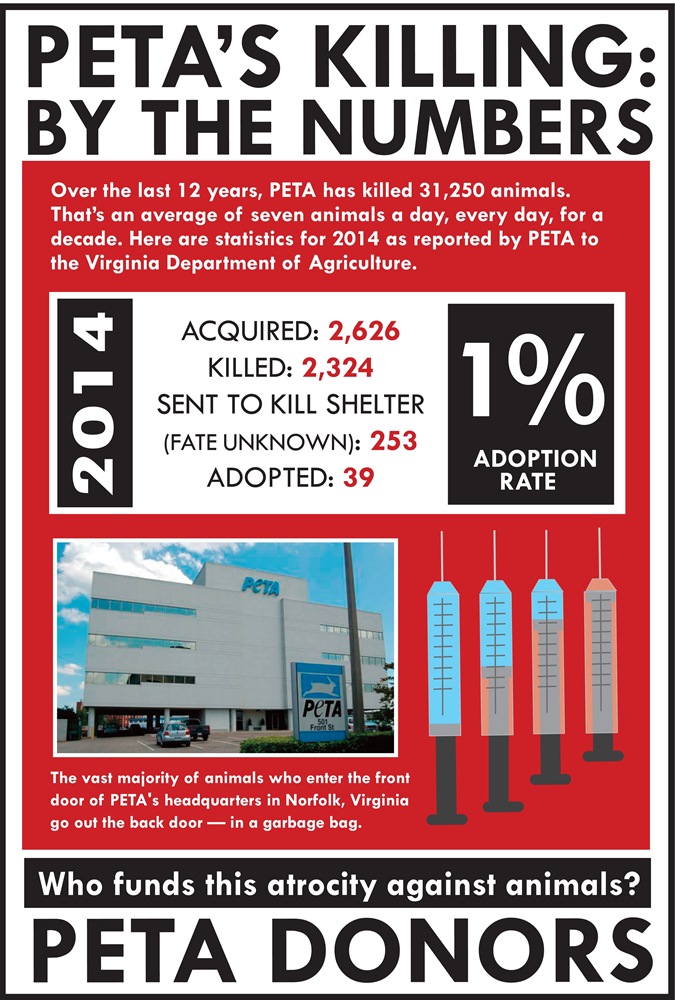
One of PETA's 42,573 known victims. The Virginia Department of Agriculture & Consumer Services, which oversees animal "shelters" in the state, released PETA statistics for 2020 . While communities across Virginia and…
Gunner riding with Jyl Albertson on her way to the airport after she visited him in Georgia. According to the complaint, Gunner, a mixed breed dog, is over 11-years old. Jyl rescued him when he was a puppy. Gunner has…
The number of dead dogs reported by the FDA represents a minimum. According to the FDA, "Reports submitted only to the pet food manufacturer are not shared with FDA and are not a part of this count" At least 70 dogs…
Almost 20 million dogs and cats live in a home that is not current on their rent or mortgage payments according to a recent survey and with a moratorium on eviction set to expire at the end of this month if Congress and…
This weekend marked a turning point toward ending the single greatest source of suffering on the planet. On December 19, four school kids walked into a restaurant in Singapore and for the first time in history, ordered…
A Federal Appeals Court ruled this week that a Texas law prohibiting veterinarians from giving online advice without a physical examination of the animal may violate a veterinarian's First Amendment rights. The ruling…
Dogs used for breeding in commercial breeding enterprises tend to have significant health problems, are more likely to suffer from aggression, and many of them are psychologically and emotionally shut down, compulsively…
We lost out to President George W. Bush's personal chef. His book, published by the White House Historical Association, beat out the All American Vegan Candy Cookbook for best new independent cookbook at the 2020…
A new study in the Journal of Environmental Research claims that "People who reported walking their pets had a higher estimated prevalence of COVID-19 compared to those who did not take their pet for a walk." How much…
Rosenberg, TX, passes the most progressive community cat law in the nation. For the first time in its history, Rosenberg, TX, finished the year with a better than 90% placement rate: 97% for dogs and 90% for cats . In…
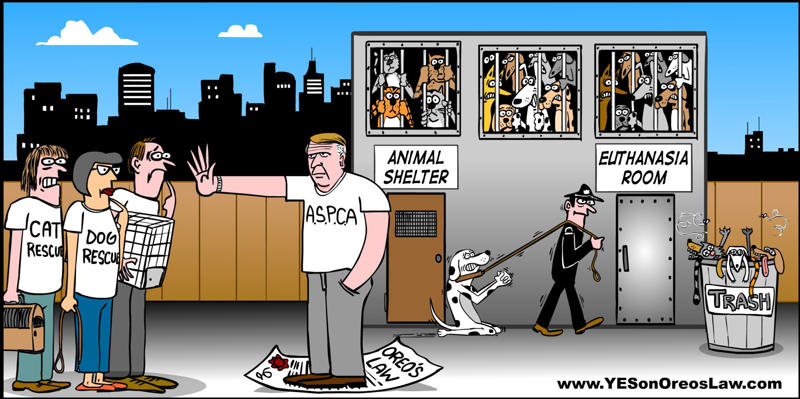
Oreo with two broken legs. Today marks the 11-year anniversary of the ASPCA's killing of Oreo, an abused dog, who a No Kill sanctuary offered to save . Oreo was a one-year-old dog who was thrown off the roof of a…
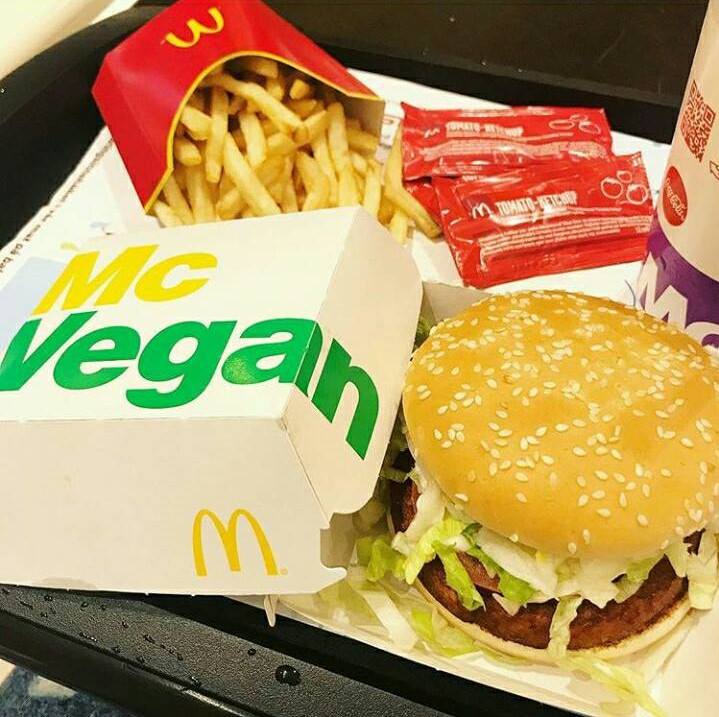
McDonald's, the biggest game in town when it comes to fast food, just announced that it was launching a veggie burger worldwide next year. Per McDonald's , There are other plant-based burgers out there, but the McPlant…
But our responses might be more dire. Teenaged kids aren't the only ones to enter a phase of conflict with their parents or other caregivers. Dogs do, too. Unfortunately, that has more important implications because it…
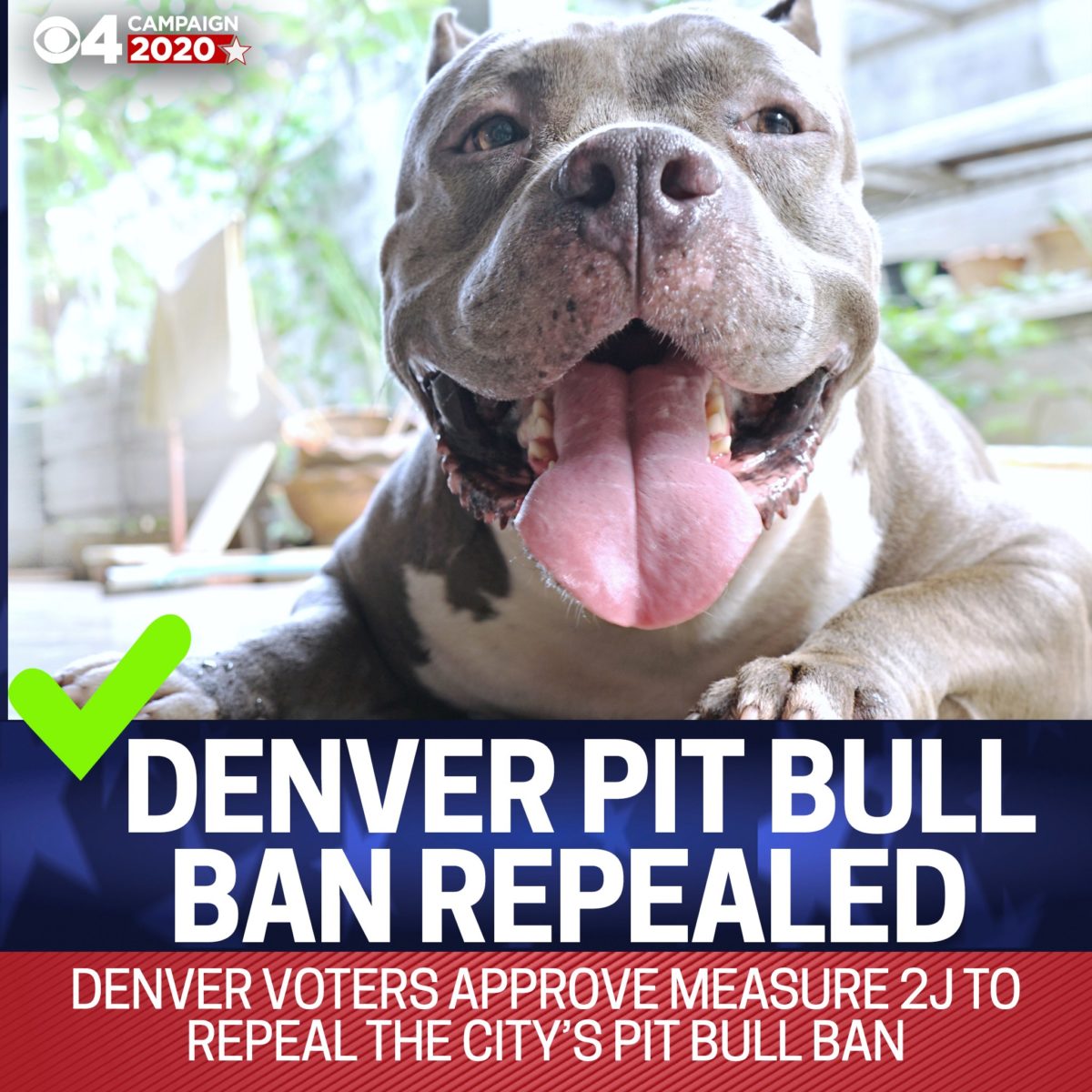
Denver voters overwhelmingly approved Measure 2J which allows dogs identified as "pit bulls" to live in the city for the first time in decades. It allows dogs to be adopted. It stops dogs from dying. And it keeps…
Costco has announced that it will no longer sell coconut products from Thailand because it relies on primate labor. According to Costco, " We have made it clear to the supplier that we do not support the use of monkeys…
Not too far from our home, on the side of our neighbor's yard lies a grave marker. It reads, "Michael, 1947-1959, He was a good old dog " A new study of pet cemeteries finds that over time they mirror the changing…
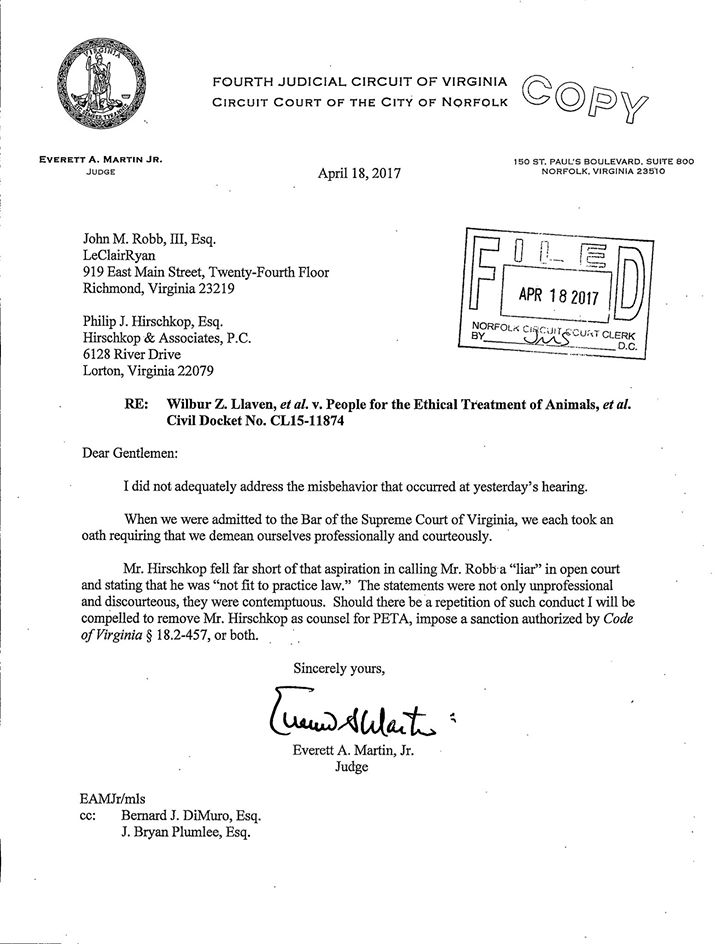
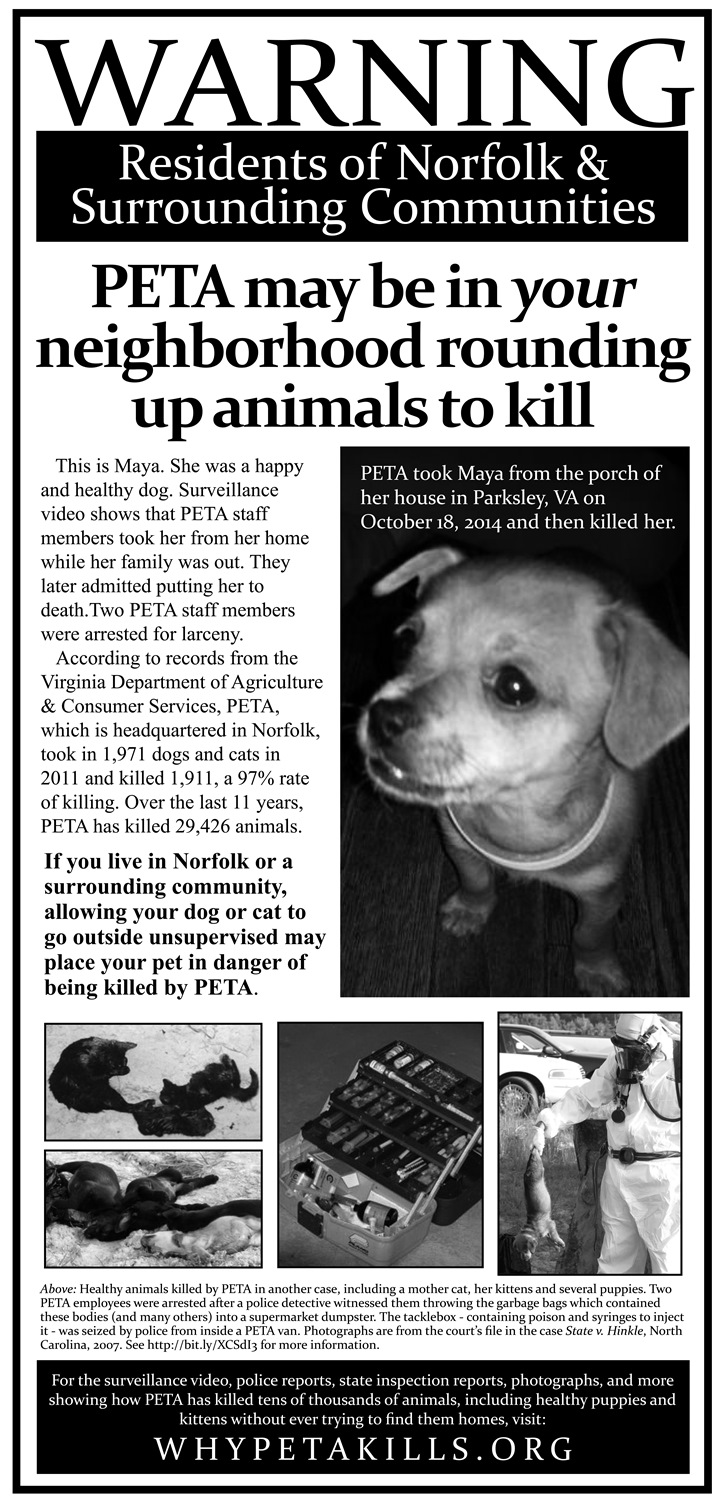
Today is the anniversary of PETA's killing of Maya . On October 18, 2014, two PETA representatives backed their van up to a home in Parksley, VA, and threw biscuits to Maya, who was sitting on her porch. They were…
The University of Denver has announced that they have completed research on the economic impact of Denver's "pit bull" ban . The work — a collaboration that includes departments focused on law, public policy, animal…
Oswald says "No" to shocking or choking dogs. Petco announced this week that they will no longer be selling shock collars. In a press release , the company said shock collars cause "stress," "fear," and "pain" and have…
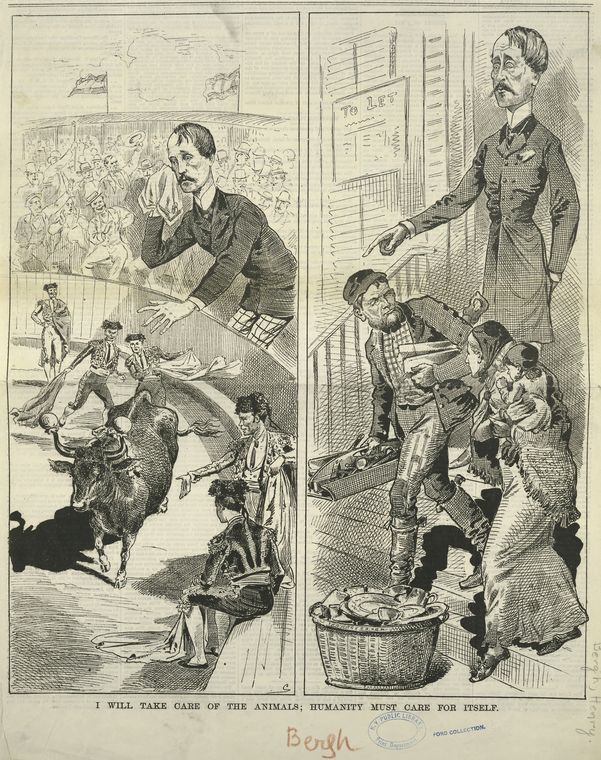
"Henry Bergh speaking to the New York legislature in a failed attempt to promote a ban on vivisection. One reporter noted, 'Mr. Bergh is not the man to be discouraged by defeat in his humane labors. In this case he had…
For those who have been with me on this decades-long journey of saving animals, you know I have worked with legislators from both political parties to pass animal protection laws at the local, state, and federal level.…
Real chicken protein without the chicken was produced for the first time by Bond Pet Foods on August 25, 2020. According to Bond , "No animals harmed. Made in clean, safe and sustainable way. Delivering essential,…
The killing of Lila by the pound has been called "a pet owners worst nightmare — a lost animal winds up in a shelter and killed in under 24 hours." The New York City Comptroller's Office released its audit of the city…
The New York City pound announced it is going to kill dogs and it is blaming the victims. How? It treats dogs poorly. And because it does, the dogs become stressed. And because they are stressed, City officials have…
An animal rescue group has filed a lawsuit against the City of Los Angeles, its pound system, the City's mayor, and the General Manager of the pound for failing to take in stray and injured animals . It claims that…
B-372 "was extremely emaciated and showed signs of chronic anemia, officials said, meaning she may have been exposed to rat poisons repeatedly." She ingested it in a residential area as they are often used by residents…
Oswald Winograd having a confab with two neighbor dogs. In addition to banning continuous chaining, a proposed law in Germany will require people to take their dogs out at least twice a day for walks, a run around the…
The President is asking the U.S. Supreme Court to intervene in a case with enormous implications for shelter reform advocates. At his direction, the Justice Department wants it to overturn " a federal appeals court…
This is Peanut Butter, a healthy orphaned kitten, who was killed by the New York City pound with a rescuer minutes away. According to her would-be rescuer, Peanut Butter was of good weight, "observed to be 'active,…
As I have reported repeatedly over the last several months , progressive shelters in progressive communities are rising to the challenged posed by the pandemic by embracing ingenuity, a "can do" attitude, and technology…
A rescue group gave Steffen Baldwin $1,000 to train Remi. Instead, Baldwin had Remi killed, but told the rescuers he was "alive and well." (Source: Justice 4 Remi. ) Back in May, the Los Angeles Times published an…
I'm very excited to announce the All American Vegan Candy Cookbook . With recipes that veganize America's most iconic commercial candies, including Snickers, Three Musketeers, Milk Duds, KitKat, Twix, Dots, Tootsie…
Although they deny it, Austin Animal Center (in Texas) has been telling people to release stray dogs where they are found because they are not taking them in. When it was caught on video and made public , the pound…
The pandemic has revealed both the tremendous progress we have made in animal sheltering practices and exposed some alarming deficiencies. Many communities rose to the challenge by embracing ingenuity, a "can do"…
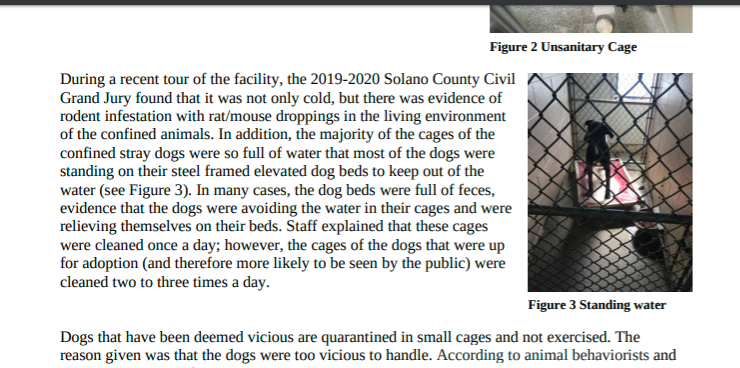
We've made tremendous progress as a movement, but not only is there still a long way to go, some communities are moving in the wrong direction. The Solano County Grand Jury recently issued a report recently after doing…
As such, there is no mode of transmission either to other dogs, to other animals, or to people . I am at a loss here. I worry about people taking actions to compromise the welfare of dogs, cats, and other animals as the…
Wikipedia stock photo, as a photo of the actual dog was not released. The U.S. Department of Agriculture, which oversees the National Veterinary Services Laboratory, announced a confirmed case of the virus that causes…
Last month, a researcher at Duke University claimed that Winston, a pug, was the first dog in the U.S. to test positive for SARS-CoV-2, the virus the causes COVID-19 . Initially, Winston " wasn't tested because they…
From Los Angeles Magazine 's article about Marc Ching . (Caption: Marc Ching with PETA's Ingrid Newkirk in 2017.) (Warning: Graphic description of a dog being killed.) There are things you see that you cannot unsee. The…
There is not a single temperament test used to evaluate shelter dogs that is reliable in predicting behavior. Over the last several years, a wide body of research has shown this again and again with one study…
California Governor Gavin Newsom appears to have withdrawn his No Kill initiative. Earlier this year, he announced to great fanfare he wanted California to become a No Kill state and budgeted $50,000,000 to do so . That…
Study which claims cats can "easily" transmit SARS-CoV-2, the virus which causes COVID-19, to each other and expresses concern about transmission to people shows no such thing. Late last week, CBS News published a…
In a victory for free speech — and a victory for anyone who has spoken out on behalf of animals mistreated, abused, and killed in city pounds — the U.S. Court of Appeals for the 5th Circuit has put the final nail on the…
Winston is the first dog in the U.S. reported to have tested positive for the novel coronavirus. Recent reports suggest that a dog in the U.S. has tested positive for the novel coronavirus that causes COVID-19. Winston,…
Should we be overtly worried about our cats? And should we fear cats? The answer to both questions remains, "no." Two cats with mild respiratory issues in New York, from different parts of the state, tested positive for…
Donald Kennedy died of COVID-19 yesterday . Kennedy was the President of Stanford University when I started there as a law student oh so many years ago. He will be remembered by many people for many things. But I will…
My cat Ziggy sits on my lap and listens patiently while I explain to him that we are all in this together. Last week, I called out Maddie's Fund and some of its partner organizations for fearmongering about whether…
Maddie's Fund and several of its partner organizations are fearmongering about the pandemic by recommending separating pets from people and other animals if those animals come from a household where people tested…
Legislation has been introduced in New York that creates a new reason to kill: "mental suffering." As I explain to the NYS senators who will be debating this bill, there is no definition of what constitutes "mental…
To the extent a community will continue to take in and kill "feral" animals, they have an obligation to implement alternatives to the killing. In other words, if taking in and killing "feral" or community cats is deemed…
A shelter is emptied as the public responds to the call to adopt and foster during the current coronavirus pandemic. In other communities, however, pounds are being emptied by killing. The current crisis is bringing out…
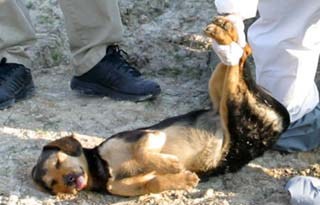
When an ASPCA veterinarian kicked this man's dog to death — a dog he spoon fed as a baby and loved for 10 years — managers and staff covered up the crime. Americans have a soft spot for animals and are not very…
How to Protect Shelter Animals from Killing and Shelter Workers from Exposure Every day now, I am receiving an alert of another shelter or pound closing to the public for adoptions. Many of these are pounds with a…
Introducing No Kill 101 , the latest video from the No Kill Advocacy Center "No Kill Know How" series, which answers the question: How does a community achieve No Kill? Today, millions of Americans live in cities and…
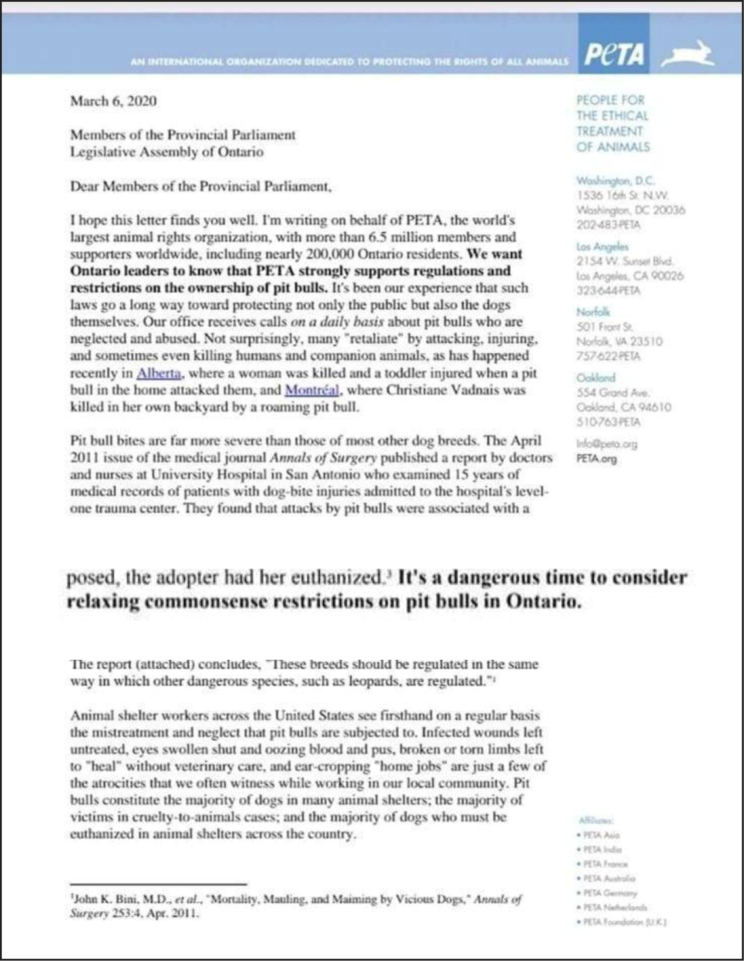
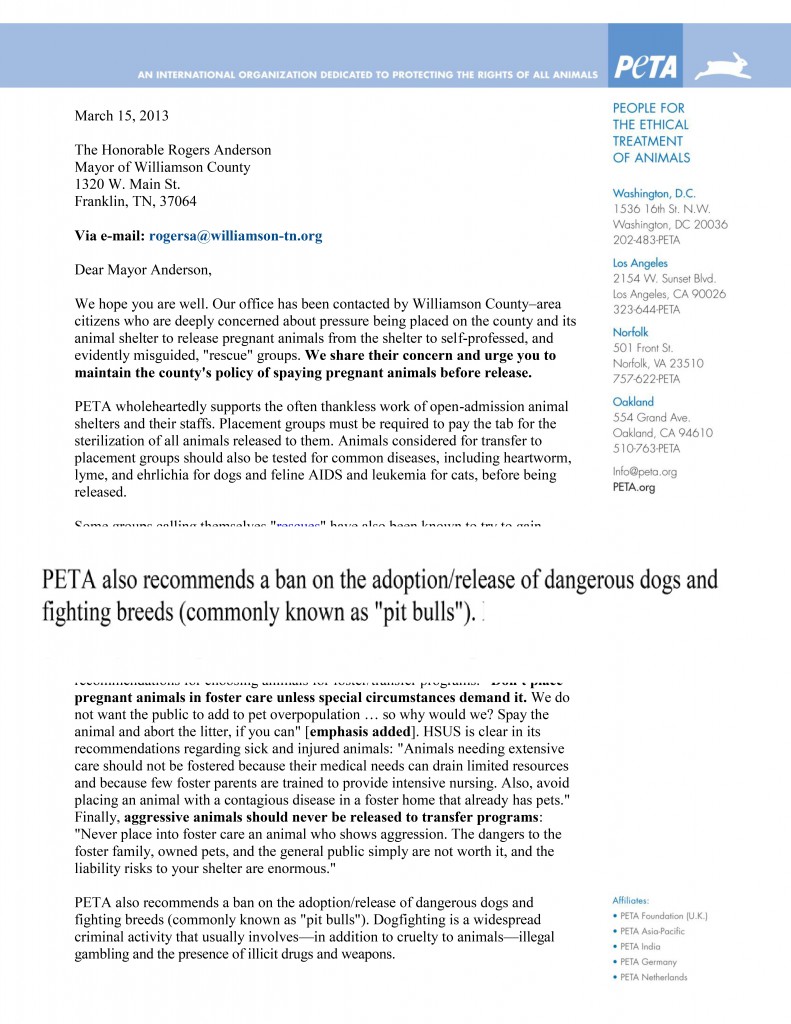
PETA has written members of the Ontario, Canada, legislature to tell them NOT to consider relaxing what they called " commonsense restrictions on pit bull in Ontario," saying "These breeds should be regulated in the…
Last week, in a PETA-style bid to get media attention, a member of a group called Direct Action Everywhere (DxE) stormed the stage where Vice-President Joe Biden was giving a speech after his Super Tuesday victories in…
There are a lot of organizations that masquerade as something they are not, betraying their founding missions, betraying the animals they are supposed to protect, and misleading the public and legislators about who and…
How ASPCA negligence, corruption, and indifference led to the death of a little dog named Nyla and the emotional torment of Angel Hueca, the young woman who rescued her. From the first notes of Sarah McLachlan's…
A new study finds that eliminating housing discrimination for people whose families include a dog, cat, or other animal companion would allow 8.75 million animals to find new homes, roughly six years worth of killing in…
One of PETA's 40,854 known victims. The Virginia Department of Agriculture & Consumer Services, which oversees animal "shelters" in the state, just released PETA statistics for 2019 . While communities across Virginia…
Congress shall make no law respecting an establishment of religion, or prohibiting the free exercise thereof; or abridging the freedom of speech, or of the press; or the right of the people peaceably to assemble, and to…
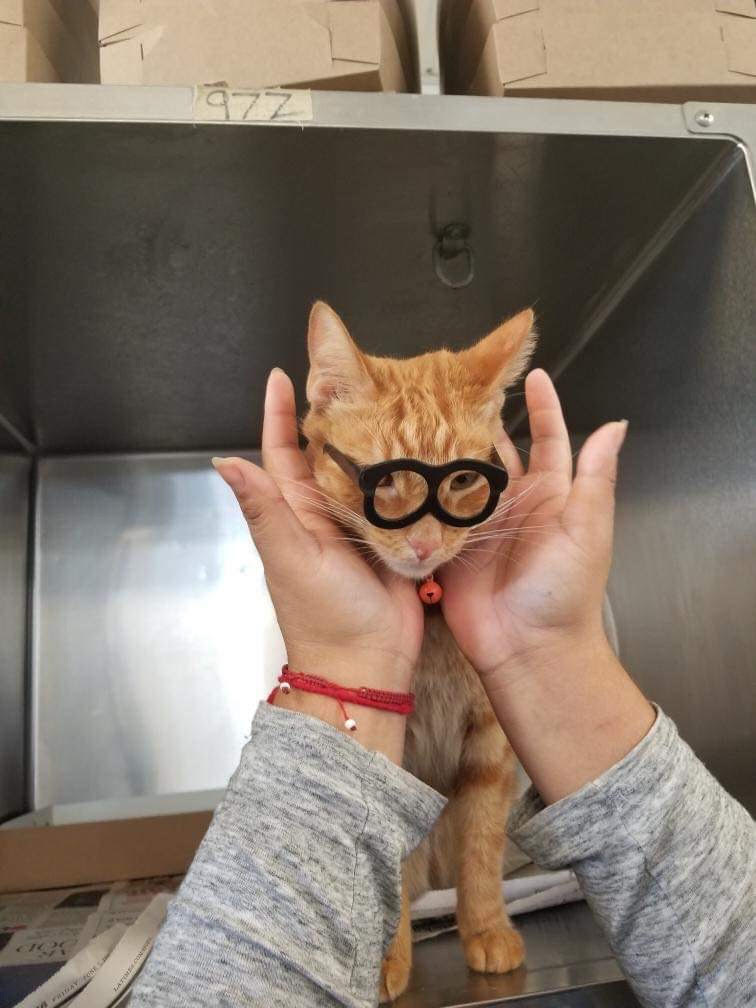
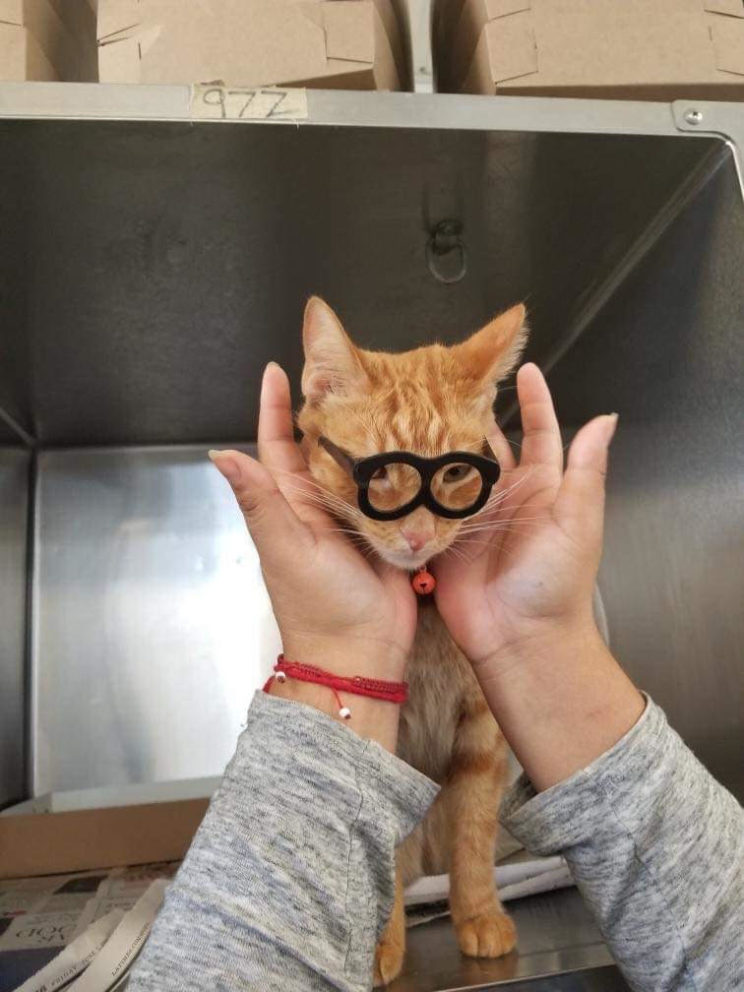
In order to network him, a volunteer put Mr. Potato Head glasses on Mr. Pickles and snapped his photo to show others how sweet and cute he was. Instead, Mr. Pickles — young, healthy, friendly, already neutered, wearing…
I recently received a letter from a law firm, on behalf of a Pueblo, CO, City Councilmember. The letter accused me of making "false and defamatory statements" about the Councilmember and threatening me with litigation…
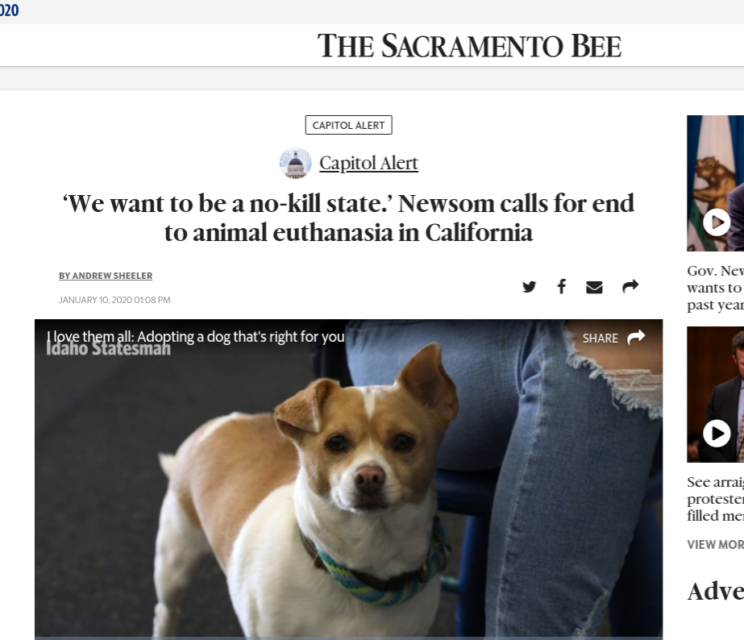
No sooner does the Governor of California announce he wants to end the killing of homeless dogs and cats in pounds throughout the state , than curmudgeons blast the Governor for wanting pounds "to not kill animals:"…
By contrast, American courts have specifically rejected such rights. An employment tribunal in England has ruled that "ethical veganism" is a protected class under the Equality Act of 2010, which safeguards people from…
New legislation introduced in Virginia once again seeks to put PETA and other pet slaughterhouses in the state out of the killing business. SB 304 would require "shelters" in Virginia to maintain a minimum 50% placement…
Kitbull , Pixar's masterpiece about a feral kitten and chained dog, was nominated this week for an academy award . It is well-deserved. Kitbull explores the depths of human depravity, the potential embodied in…
On Wednesday, New Hampshire lawmakers will vote on a historic bill to ban housing discrimination for families that include a dog, cat, or other animal companion. A copy of my letter, on behalf of the No Kill Advocacy…
Last year, Julian Castro - former Mayor, Cabinet Secretary, and then-candidate for the President of the United States - promised the creation of a No Kill nation if elected . I noted then that when a cause becomes so…
Pets are family. And they should be treated as such. If HB 1391 becomes law , they will be in New Hampshire as it becomes the first state in the nation to ban housing discrimination against people whose families include…
The ASPCA reluctantly promised to investigate itself after it was leaked to the press that 20 dogs died in its custody when it cut corners during transport. Seven months later, the ASPCA refuses to say whether such an…
" Nebraska Department of Agriculture records show that half of the state's commercial dog and cat breeders have left the business over the past seven years ." That is incredibly good news. Moreover, it is a trend that…
Today's Veterinary Business , in an article entitled " The dog shortage is real ," is claiming a nationwide dog shortage of millions of dogs, arguing that animal shelters (and rescuers) cannot meet demand, intimating…
Per my last post , I had hoped to take the remainder of the month off from other duties to work on two books scheduled to be published in 2020. But like Al Pacino/Michael Corleone in The Godfather , "Just when I thought…
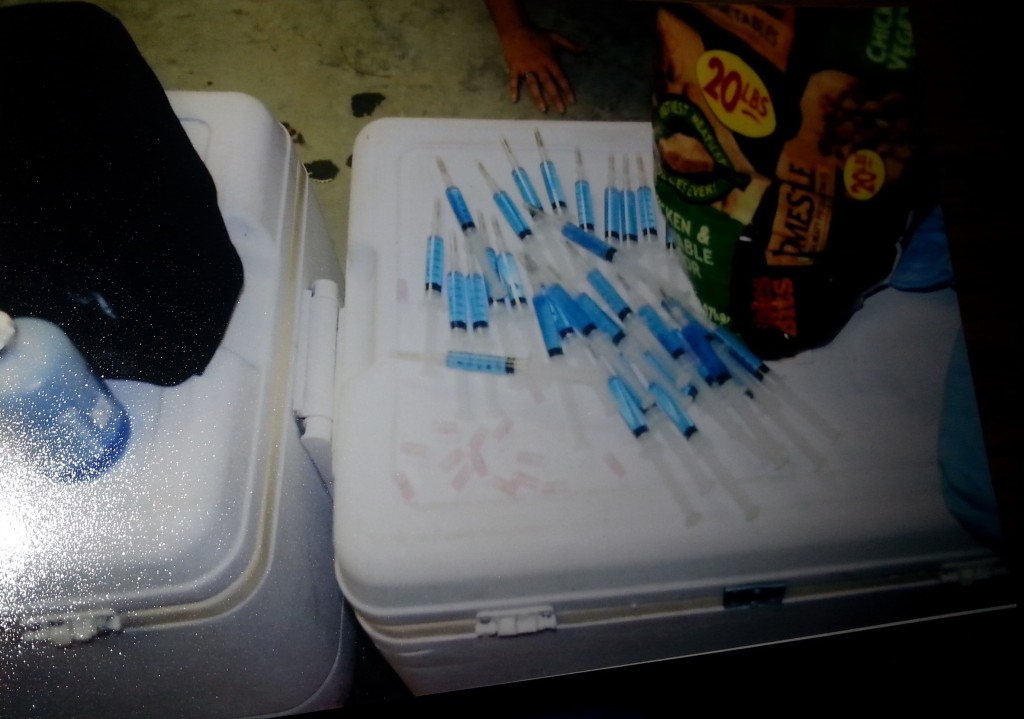
If a picture is worth a thousand words, this one is worth a thousand lives. In fact, it is worth 39,276 of them. I was accused of "cruelty porn" by a commenter on Facebook on a post it accompanied about Why PETA Kills ,…
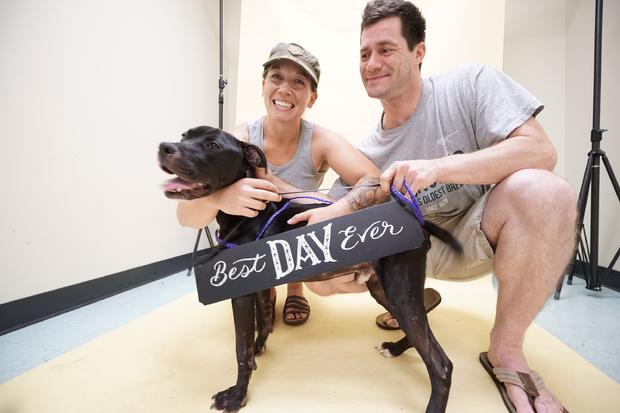
Today is Oswald's Gotcha Day. We adopted him five years ago. It was Oswald's best day ever. Of course, for a dog who is loved, every day is the best day ever . But there are a few that are especially great: that day,…
For the past several days, I have been posting stories of our movement's success, including groundbreaking accomplishments in 2019 and groundbreaking developments for the year to come . Here's even more good news, not…
Puppies received extra protection in Austin, TX, thanks to a new law. Despite whatever other calamities may have dominated the headlines throughout this most tumultuous of years, 2019 brought a lot of positive news for…
2019 was a pretty terrific year for the No Kill movement and next week, I'll share some of the top stories, new studies, groundbreaking court cases, and more that not only helped fuel its success, but are laying the…
Earlier this summer, I wrote about stepping inside a Red Robin for the first time ever and a Burger King for the first time in 24 years , after the chains added the plant-based Impossible burger to their menu. I've…
On November 23, Mr. Pickles was surrendered by his family to the Los Angeles County Department of Animal Care & Control (LACDACC). Although initially scared, Mr. Pickles turned out to be very sweet, rubbing up against…
Looking for Oswald? You can usually find him in the crook of my arm. Veterinarians, boarding kennels, and others in the business of making money off our great love of animals are not shy about acknowledging what they…
Last month, PETA released photographs given to them by a whistleblower at the El Paso, TX, pound . The photographs show dogs being mauled by other dogs, one dead puppy covered in blood with one forelimb gnawed…
Authorities found these conditions at an AKC "Breeder of Merit" only eight days after an AKC inspection. The "Breeder of Merit" was charged with cruelty. The AKC claims it has "an ongoing routine kennel inspection…
Almost two decades ago, I argued against testing dogs for "food aggression" (what is now called "resource-" or "food-guarding") because doing so was setting dogs up to fail. I argued that there were too many false…
My son's latest column in The Stanford Daily tells the fascinating story of how a small group of cat lovers saved 1,000 cats and, in the process, pioneered TNR on college campuses. Thirty years ago, cat lovers at…
Earlier this month, PETA released photographs given to them by a whistleblower at the El Paso, TX, pound . The photographs show dogs being mauled by other dogs, one dead puppy covered in blood with one forelimb gnawed…
Australian nativists are employing a new weapon in their war against cats. It is a laser-sighted device that sprays cats with a lethal gel that they lick off while cleaning themselves . The gel causes the cats to die…
Last month, the City of Austin passed a sweeping new law to enshrine lifesaving protections, including the right of rescue. Based on several provisions of the Companion Animal Protection Act , model legislation from the…
Photo courtesy of St. Louis County SAVE : volunteers are the eyes, ears, and hearts of a community. Silencing volunteers renders the death of animals invisible. The officials who oversee the St. Louis County, MO, pound…
Make it easy and delicious for people to do right by animals and more of them will. The proof? Surging sales of plant-based foods, more vegan options at restaurants (including an upcoming "chicken" burger at Burger…
PETA's call for a criminal investigation was warranted, but so is the need for an earnest campaign to reform the shelter and bring it and its cruel, outdated practices into the 21st century, as many communities…
The Orange County, CA, animal shelter has been served with a cease and desist letter, a precursor to litigation. According to a news report , "The letter takes issue with a program at OC Animal Care, where stray felines…
There is no doubt that living with people is good for dogs. As Jennifer and I argue in Welcome Home , our book about living with dogs and cats, dogs "have successfully adapted to us and our ways, seizing the opportunity…
Yesterday, the No Kill Advocacy Center , my organization, received a telephone message from a distraught young girl at a local school about a "baby animal" she found on the sidewalk. She told us her mother would not let…
A kitten at the Madison County pound. Over half of the cats who enter the front door go out the back door in garbage bags. The Madison County, VA, pound kills over half the cats it takes in . And yet it calls itself a…
Soon those will be plant-based meatballs Lady and the Tramp are eating. Disneyland just announced that they are adding a plant-based menu to every single one of their restaurants: over 400 vegan dishes in all, including…
Earlier this week, the student-run Kansas State University newspaper published an article proclaiming support for pounds that kill and questioning the ethics of No Kill shelters . It used the very same debunked excuses…
Delaware announced they were the first No Kill state in the country. Now Michigan is saying they are a No Kill state, too, and they did it first. Neither claim is true. Some pounds in Michigan kill more than seven out…
An op-ed in The New York Times by Alexandra Horowitz , a scientist who studies canine cognition, questions the now routine sterilization of dogs and suggests we no longer do so. It is going to infuriate those who have…
The City of Los Angeles has finally published a draft Environmental Impact Report (EIR) in order to implement a community cat program. If you want Los Angeles City shelters to sterilize community cats, instead of…
After California banned the retail sale of commercially-bred dogs and cats (and rabbits) in pet stores, Maryland passed a similar ban. It is set to go into effect on January 1. But pet stores and out of state commercial…
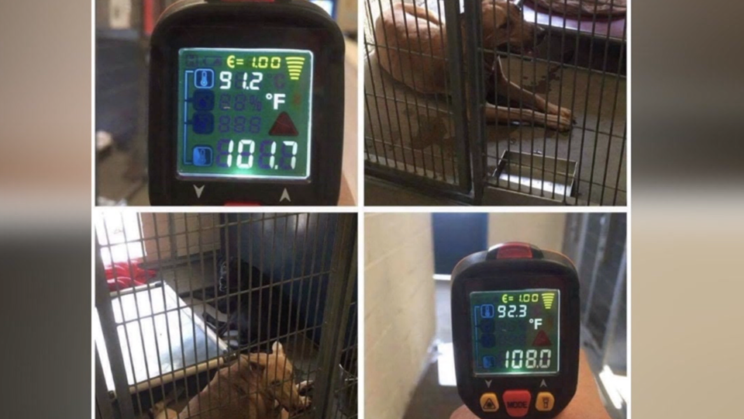
Earlier this month, " multiple Phoenix TV stations reported that the temperatures inside the county's west shelter topped 100 degrees , citing photos [taken by volunteers] sent to the stations showing hand thermometers…
First they came for the cats, now they are coming for the dogs. There was a time when the environmental movement's mission was to protect plants and animals from poisons, chainsaws, traps, and guns. Since it has been…
When a cause becomes so popular that politicians begin to incorporate promises about it into their campaign platform, that cause has arrived. When that politician is a candidate for the President of the United States —…
Yesterday, I posted an article in response to the false claim by Best Friends and Brandywine Valley SPCA that Delaware is the nation's first No Kill state . Although killing is down over 90% from its high water mark,…
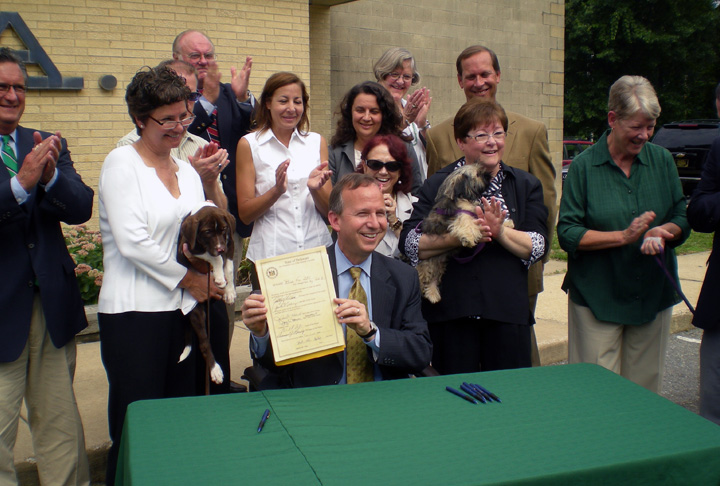
Then Delaware Gov. Jack Markell signing a modified version of the No Kill Advocacy Center's Companion Animal Protection Act into law; a law that the Office of Animal Welfare, the state agency which oversees sheltering…
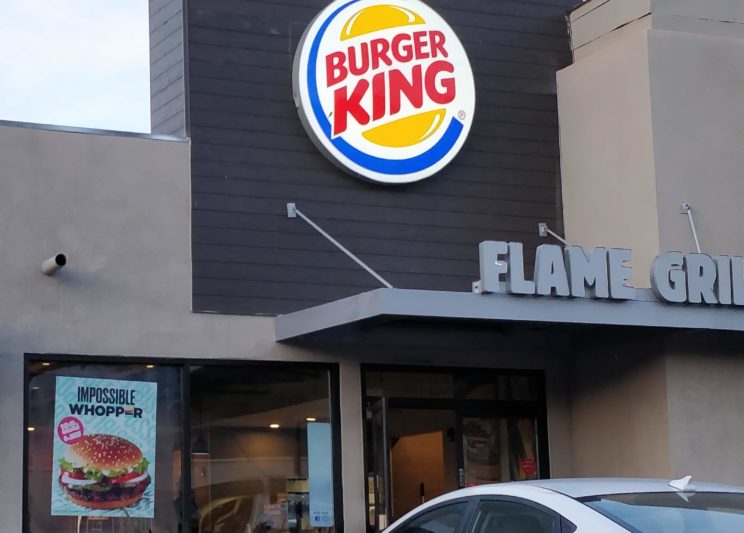
Back in June, I posted about going to Burger King for the first time in 24 years when the company began offering the plant-based Impossible Burger at San Francisco locations. Yesterday, Burger King rolled out the…
Los Angeles County's Animal Care & Control has long been a kill-oriented, poorly managed, house of horrors. Rather than reform cruel practices and embrace the No Kill philosophy, it is trying to fend off criticism by…
There will come a time when dogs are welcome wherever humans are. We already see progress toward integration, as stores, restaurants, and other public spaces are designing facilities and enacting policies with the needs…
And what it means for other communities. In 2018, Huntsville Animal Services (HAS) placed 90% of dogs and 92% of cats, earning Huntsville/Madison County the distinction of being the only place in Alabama to reach the…
Last week, I posted the story of a "Humane Society" in Montgomery, AL, that killed Vinnie the very day he was brought in as a stray, even though local law mandates a five day hold period. His family arrived within hours…
The New York City pound, long a bastion of incompetence, corruption, and uncaring, killed Don (pictured here) and caused another dog to suffer, because it transported them in extreme heat and failed to follow minimum,…
In America today, dogs and cats are more than just our best friends, they are family. Yet the agencies we fund to care for the neediest of these animals are instead killing two million of them every year. And the reason…
I am sorry to report that Amazing Grace has died after a long battle with cancer. My deepest condolences to her family. Grace — pictured here with me back in 2014, where she was guest of honor at the Atlanta screening…
When I was in charge of community programs at the San Francisco SPCA back in the 1990s , we provided free veterinary care for the animals of the City's human homeless population. Over 20 years later, California will do…
There's been a 90% drop in the pound killing of U.S. dogs and cats since the 1970s. Despite a doubling of the number of animal companions, the number of dogs and cats killed has gone from roughly 16 million to as low as…
Animals in "shelters" and pounds have no voice of their own and need others to speak for them. In a victory for free speech — and a victory for anyone who has spoken out on behalf of animals mistreated, abused, and…
"Euthanasia," "put to sleep," even the word "shelter" is a euphemism. But "saving lives"? Many of us have long ago stopped using the euphemisms "euthanasia" and "putting them to sleep" to describe the killing of animals…
In a case involving custody of a cat, a New York Court let the kitty help decide who he wanted to live with (after considering the totality of the circumstances). In doing so, the judge refused to provide the time…
Without the force of law, animals remain at mortal risk in Austin, TX. Tucker was killed by Austin Animal Center despite a rescue group offer to save him, his former owner begging for custody, and department policy…
The killing of dogs for alleged "behavior" continues apace by agencies who claim to embrace a No Kill ethic, as underscored by the recent killing of Tucker by Austin Animal Center and the killing of Linda by the Larimer…
Any shelter in any community with a can-do attitude and the right approach can end the killing. One of my roles as the director of the No Kill Advocacy Center is working with elected officials nationwide on reforming…
Austin Animal Center (AAC) recently killed Tucker, a dog, who had three places to go: a local non-profit organization; a trainer/rescuer out of state; and Tucker's former family who pleaded with them to release him to…
This was Linda. She spent five months with a Colorado rescue group, living with and playing with other dogs without incident . After adoption, the family, who had her for one year, surrendered Linda to a local pound.…
A new report says that within two decades, most of the world's meat will NOT come from slaughtered animals. Earlier this week, I posted about my experience returning to Burger King for the first time in 24 years because…
A dog considered not "the best" and killed by a pound who shares the deadly philosophy espoused in the Animal Farm Foundation podcast. Instead of being sent to a rescue group who requested the dog, her body was put in a…
A Former ASPCA "Director of Animal Behavior" Wants "Shelters" to Kill More "Behavior" Dogs, Wants Rescuers to Stop Saving Them, and Gives People Permission to Kill Theirs. "The past is never dead. It's not even past." —…
By Nathan & Jennifer Winograd It's been 24 years since I stepped inside a Burger King. I had just finished the California Bar Exam, a three day mental siege, I was hungry, there was nothing else around in those dark,…
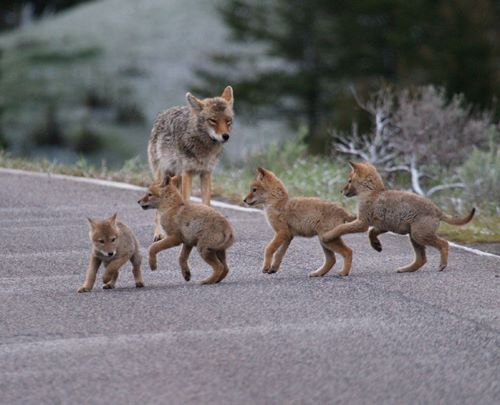
The Washington Post says the mass killing of wolves has led to a growth in the coyote population and despite a century of killing coyotes, the species "refuses to die ." It's chilling. And obscene. For nearly a century,…
The New York City pound killed Austin, an emaciated and blind dog, who bit someone's hand that he could not see approaching. No effort was made to rehabilitate him. Imagine what a dog pound is like for a scared dog.…
Proponents of cat slaughter try to legitimize the mass killing under the false mantel of "environmentalism." There was a time when the environmental movement sought to protect animals and plants from chainsaws, traps,…
The ASPCA took in roughly $263 million in 2017. That same year, ASPCA CEO Matt Bershadker had take home compensation totaling $852,231. Yet according to transporters, the ASPCA did not spend $15,000 to protect dogs by…
Emma, a healthy little dog who looked like the photo here, is dead. She was killed because the woman she lived with died and declared in her Will that Emma should also be killed and buried with her. The Chesterfield,…
Warning: Graphic Images. As I reported last week , a 9 year-old boy walking his dog flagged down an officer from the Detroit Police Department (DPD) because the dog slipped his leash. The boy asked the police officer to…
Dog pounds are killing scared dogs by claiming they are "aggressive" because those dogs are failing their temperament evaluations. In one pound, as many as 82% of scared dogs failed their test and were therefore tagged…
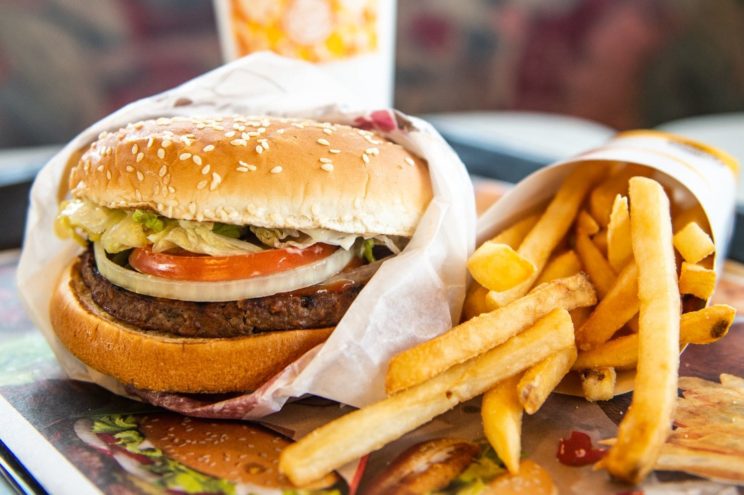
The Impossible Burger with fries available at all Red Robin locations. On Saturday night, Jennifer and I went to Red Robin , a nationwide chain, for the first time ever. Endless soda refills, bottomless fries, a roll of…
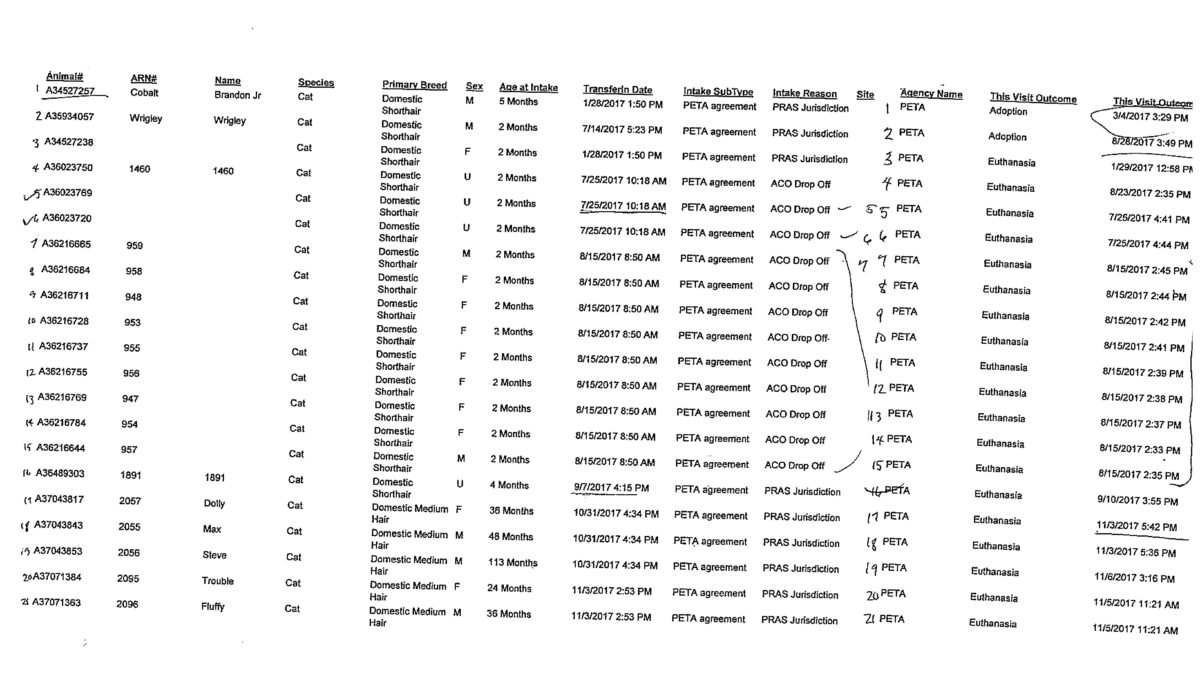
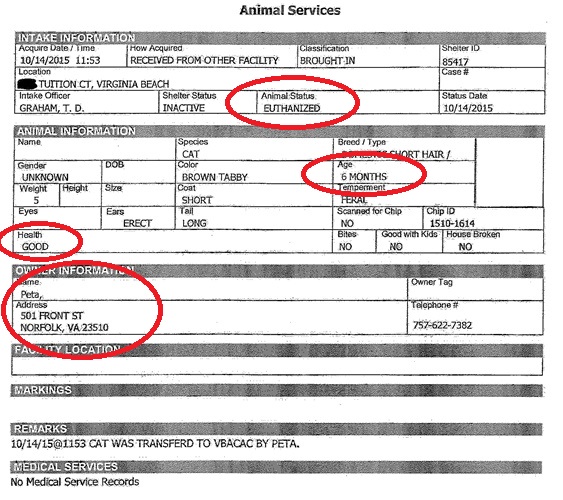
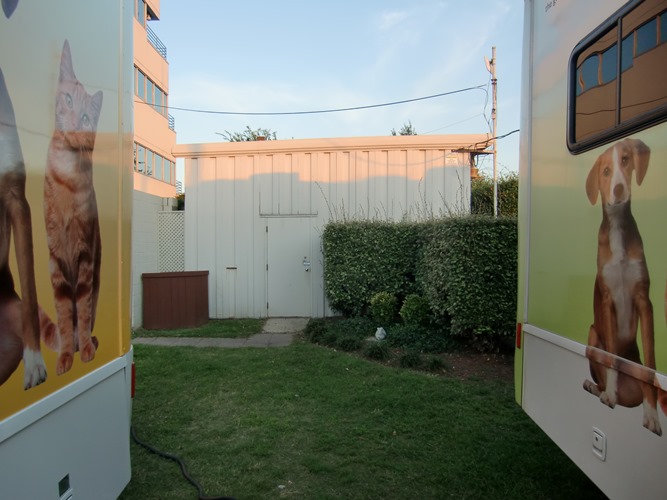
Among the dead are the young and healthy kittens pictured above. Donations to PETA are being used to round-up healthy kittens to be killed. Norfolk, VA, taxpayers subsidize the effort, paying for the barbiturates used…
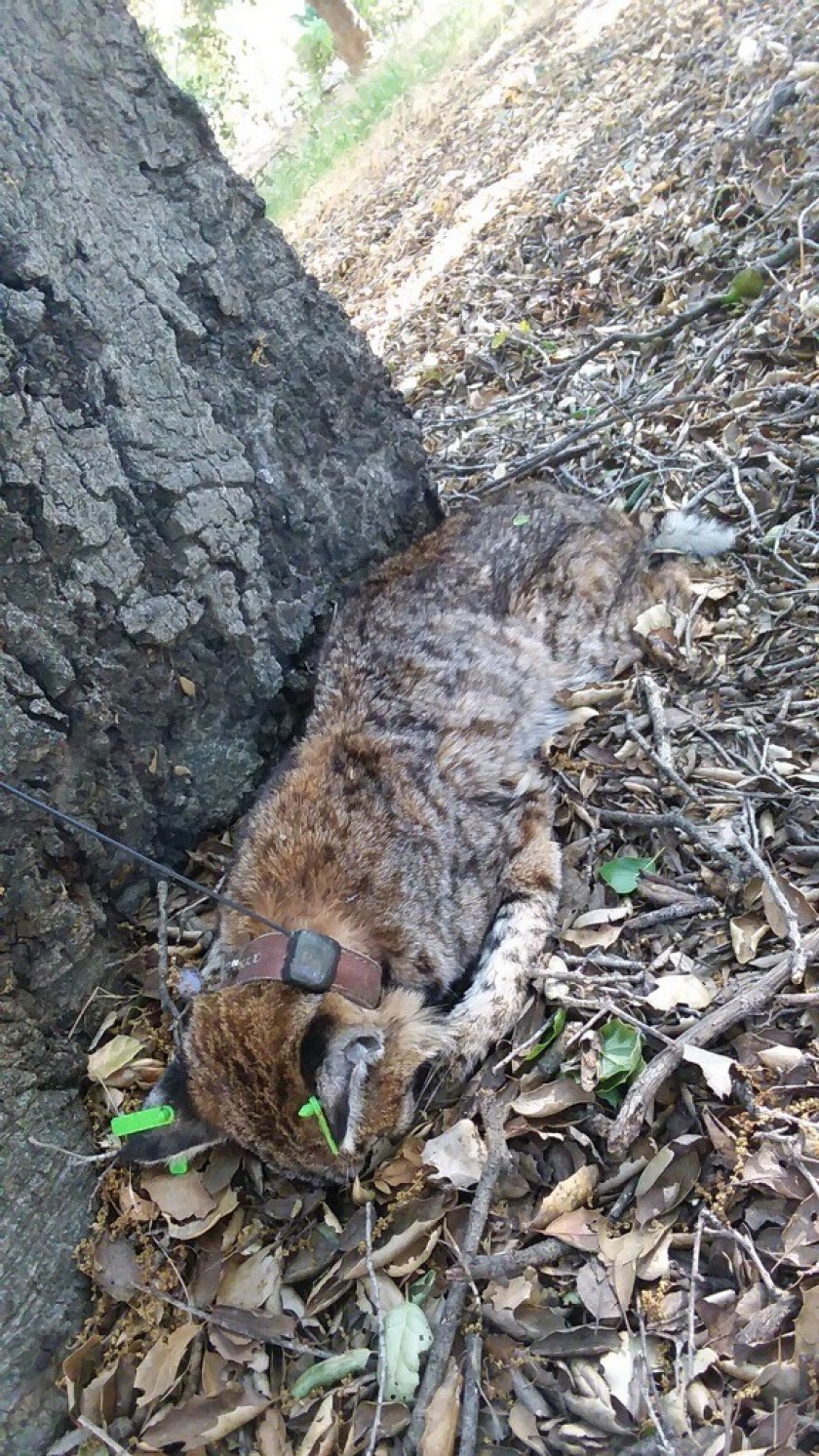
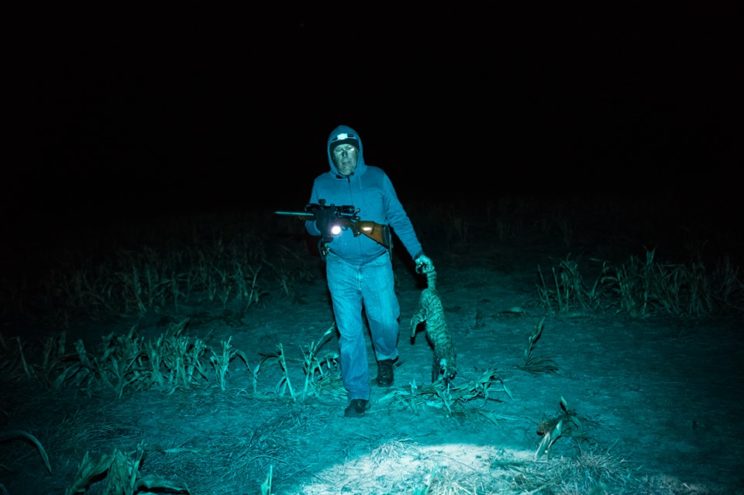
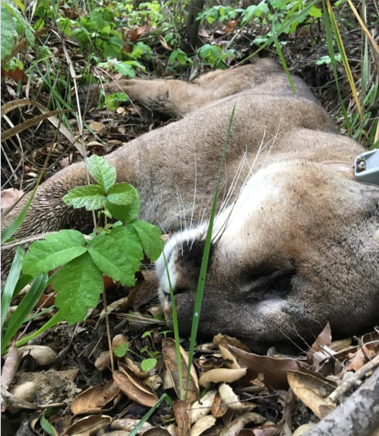
A few weeks ago, National Park Service biologists in the Santa Monica Mountains tracked a mountain lion's GPS collar after it sent out "a mortality signal." They found the mountain lion, dubbed P-47, dead. P-47 weighed…
Is it ethical to keep pets? That is the question a sociologist at the University of Kent in England is asking . Her answer is "No." Though Professor Wrenn admits that "we love them, care for them, celebrate their…
I'm sorry for this photo. I really am. But this is from The New York Times which is cheerleading an Australian slaughter of up to 2,000,000 cats by peddling it as a scientifically-based public policy worth pursuing,…
When it comes to his city's most vulnerable dogs and cats, the reality doesn't match Mayor Pete Buttigieg's rhetoric about his rehabilitation of South Bend, IN. There's simply no excuse for killing dogs and cats in…
PETA recently argued in Long Beach, as they have elsewhere, against shelter reform and the pursuit of a No Kill city. They claimed that the only goal worth pursuing is a "no birth" nation. Here's why that argument is…
Two dogs are dead this week because of the gross indifference and incompetence of the pound staff in Hillsborough County, Florida. Clyde died in what was described by a local veterinarian as a "very painful event."…
Two weeks ago, I wrote about a nationwide tour by Roger Haston of PetSmart Charities . Despite being called "The Future of Animal Welfare," PetSmart Charities harkens back to the days when killing was central to…
This week, we're celebrating my dad's birthday. It's a special one, though he will insist we not make a fuss. He was born in April of 1919, before the Treaty of Versailles was signed ending the Great War (WWI). In fact,…
A Canadian biotech company has announced it successfully created a cat food made from "cultured meat." It is made from a one time draw of stem cells. The stem cells are then replicated in a laboratory and grown in an…
This is a photo of a puppy who was banned from PetSmart because of the way he looks. This is the "vision" for the future PetSmart and PetSmart Charities aspire to. Animal Farm Foundation , NJ Animal Observer , and…
Ohio makes the "shelter pet" the official state animal; spending on animal companions tops $70 Billion with more people choosing adoption over buying; Petaluma, CA, places 99% of dogs; Henderson, NV, falsely claims to…
Shorty is waiting for you at the Austin Animal Center. This week, the Austin, TX, City Council voted unanimously on a resolution in favor of a 95% minimum placement rate. The Austin, TX, City Council voted unanimously…
Members of the City Council and County Commission: I am deeply troubled by the deaths of 14 dogs in the Pueblo Animal Shelter under a new contractor. But I am also mindful that Pueblo's recent problems are not the…
The shelter in Pueblo, CO, is in turmoil after 14 dogs died and the state took over operations. Adding insult to injury, anti-No Kill zealots are trying to exploit it to repeal a new law that mandates a 90% placement…
Shelter Reform Advocate Uncovers Proof that the Number of "Treatable" Animals Reported Killed was Altered. Animal Care Centers of New York City (ACC), the City's pound, is no stranger to scandal. The Department has been…
The Philadelphia pound intended to kill this dog back in July 2017 after provoking her in a "temperament test." She would have been killed, too, had the video not gone viral and a rescue group not intervened. A new…
The Henderson, NV, animal shelter reported that it achieved a record high placement rate in 2018. Congratulations to the good people of Henderson. That's worth celebrating because it means more animals are going out the…
A new study looked at cat impound and killing rates in six city pounds before and after the implementation of a program to sterilize and release community cats. The cities involved were Albuquerque, Baltimore, Columbus…
On behalf of the No Kill Advocacy Center , I wrote Governor Gavin Newsom asking him to help dogs, cats, and other animal companions by abolishing killing in California's animal shelters. I told him that California kills…
The ASPCA is lobbying for animals to die. The ink is not yet dry on New York State shelter reform legislation, the bill doesn't even have a number yet, and Matt Bershadker, the ASPCA's CEO, is already spending donor…
I responded to a call from a concerned woman who'd found an abandoned days-old kitten under her porch. When I came to pick up the kitten, I had her sign a generic give-up form that spelled out that euthanasia was a…
The Hon. Ginger Nelson, Mayor, And Members of the City Council Amarillo City Hall 601 S. Buchanan Amarillo, TX 79101 Dear Mayor and Members of the City Council: The No Kill Advocacy Center is the nation's premier…
If HB 1095/SB 1202 become law, tens of thousands of animals will be saved instead of being killed every year in Florida pounds, all at no cost to taxpayers. The Florida Companion Animal Public-Private Partnership Act —…
Ultimately, the culture was terrifying and desensitizing-Š—-Šand I gradually felt that my view of death, of taking animals' lives, was being warped, my emotions being stripped away. Joining the ranks of former PETA…
PETA has been trending in the news but not for the reasons they should. In a tweet, they criticized Google's decision to honor Steve Irwin, the Australian conservationist, by doing a doodle of him . Stories taking them…
What Pixar's masterpiece says about how far the No Kill movement has come, how far it still has to go, the need for shelter reform legislation, and corruption within groups like the ASPCA. Kitbull is the new short film…
The animals have lost a great friend and champion. Orly Degani, who used her considerable legal skills to fight for the rights of animals, died Monday, Feb. 4. Yesterday, as the rain fell gently, her family and friends…
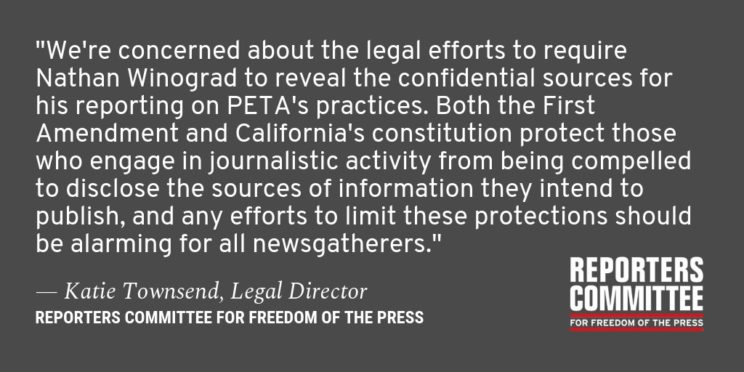
PETA demanded in court that I reveal the names of PETA employees who spoke to me on condition of anonymity about PETA's killing of animals. The information they provided was used to corroborate newspaper articles, on…
There was a time when the Loudoun County, Virginia, shelter was no place for a little dog, even one described as "lovey, "wiggly," and "gentle." In 2009, Animal Rescue of Tidewater sued the pound over its breed…
Ah, that deceit should steal such gentle shape, And with a virtuous vizor hide deep vice! — King Richard III Today, the single greatest cause of death for healthy dogs and cats in the United States remains deliberate…
Almost weekly, my Google alert is telling me of another community that has achieved No Kill because it reached a "90% live release rate." Using that benchmark, Best Friends recently announced that we now have 4,000 of…
Just Released Statistics Show That Once Again, Thousands of Dogs, Cats, and Farmed Animals Were Killed By or Because of PETA A photo of a dead puppy given to me in 2015 by a PETA employee on condition of anonymity. The…
From the No Kill Advocacy Center : Los Angeles Board of Animal Services Commission Department of Animal Services Ani.Commission@lacity.org Dear Members of the Commission: The General Manager of Los Angeles Animal…
Dear Friends and Colleagues: As many of you know, PETA demanded in court that I reveal the names of PETA employees who spoke to me on condition of anonymity about PETA's killing of animals . The information they…
A dog available for adoption from the Humane Society of Fremont County , one of the brightest spots in Colorado's constellation of progressive sheltering communities . A new study analyzing 15 years of intake and…
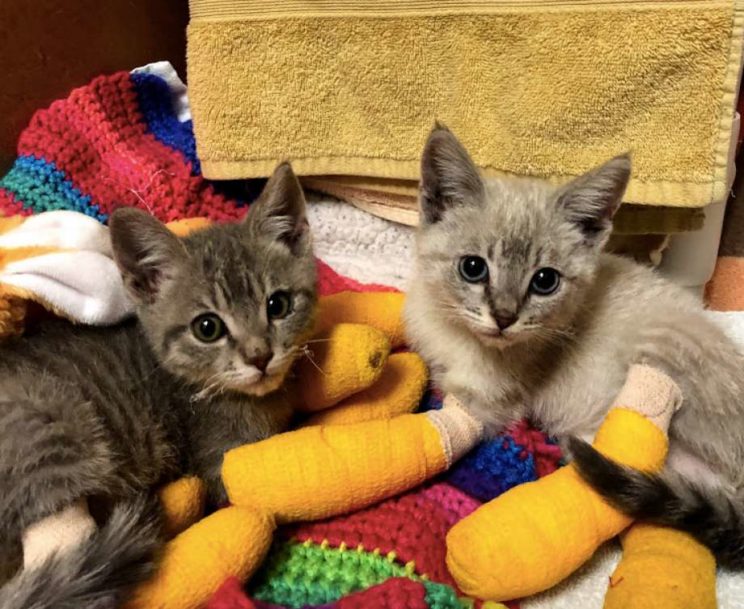
These kittens, burned in a wildfire, are recovering under the care of a local SPCA. Others were not so "lucky ." ( Warning : very graphic images). And in California, a Federal Court has found that one of the leading…
At a hearing yesterday, the Los Angeles Board of Animal Commissioners was asked to reconsider a city pound policy where "dogs in late-term pregnancy are spayed and their puppies are put to death." According to the head…
Snowball arrived at Los Angeles Animal Services full-term and was going to be spayed and her puppies killed under City policy. Her puppies were granted a reprieve. Others are not so lucky. Five years ago, Los Angeles…
And dog "aggression" may be no exception. With the City of Austin's municipal animal control shelter killing only 1/20th of 1% of dogs out of over 8,000 for perceived "aggression," we know the number of dogs who are…
New York City's Health Department signed a 34-year contract with its own subsidiary, Animal Care Centers of NYC (ACC) . The contract was pushed through with minimal input from the public, and was signed despite the fact…
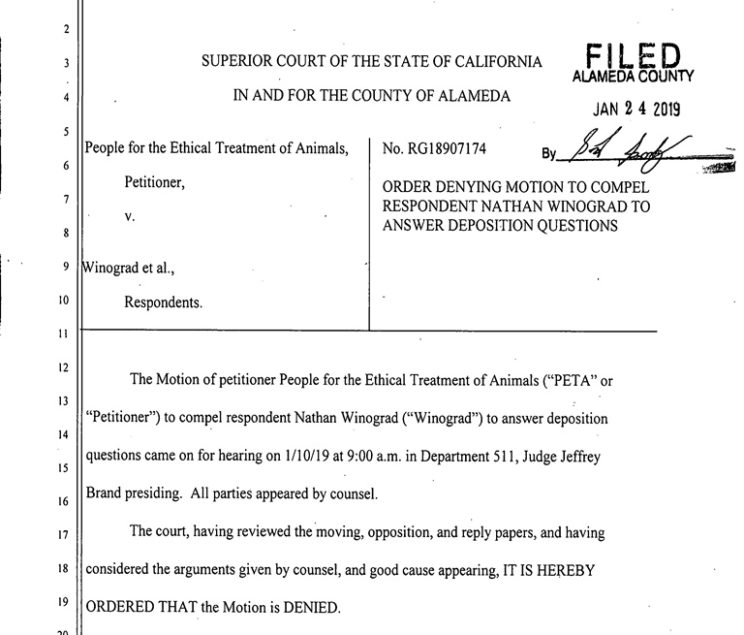
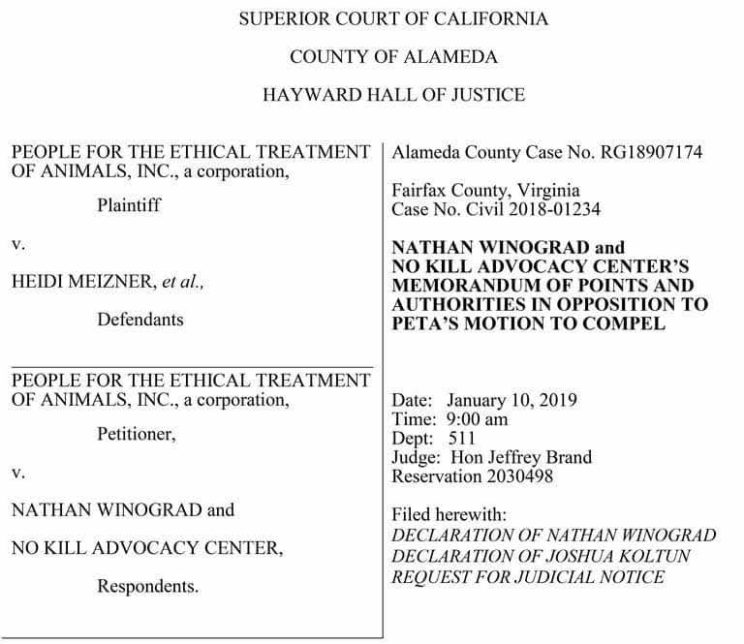
On Dec. 20, PETA filed a motion in California state court to require Nathan Winograd to reveal the identities of his confidential sources who worked at PETA and disclosed information about PETA's practices. Last week,…
Animals in "shelters" and pounds have no voice of their own and need others to speak for them. In a victory for free speech — and a victory for anyone who has spoken out on behalf of animals mistreated, abused, and…
Yesterday I did a radio interview to share all the successes we had as a movement in 2018 and to discuss what the future holds for 2019 and beyond. Although the interview was 45 minutes long, I did not get to cover all…
As many of you may know, PETA has demanded that I reveal the names of individuals who have worked at PETA and spoke to me on condition of anonymity about PETA's killing . The information they provided was used to…
The new year will bring three much-needed new laws (and bring us one year closer to two others) that further protect and promote the rights of animals in California. Starting tomorrow: Dogs, cats, and other animal…
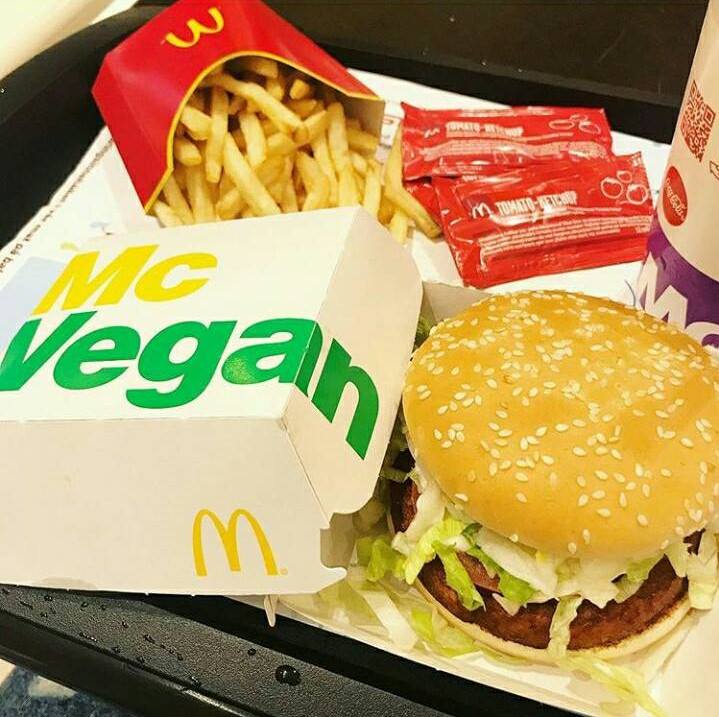
Part III of a series of 2018 animal news in review. McDonald's McVegan made a European debut to rave reviews. Early in the new year, I'll be doing a radio interview highlighting the biggest animal stories and trends of…
Part I of a series of 2018 animal news in review. Me in Austin, TX, which has made headlines of its own this year. In 2009, 7% of dogs were killed in the Austin municipal shelter ostensibly for "aggression." In 2015, it…
Part II of a series of 2018 animal news in review. Early in the new year, I'll be doing a radio interview highlighting the biggest shelter animal stories and trends of 2018 and what the future holds for 2019. I'll be…
A new, national study finds that in the last two years, more than one out of every four people who share their homes with an animal — 28% — had difficulty getting needed veterinary care because of its high cost. This…
A new analysis in the journal Biological Conservation calls for reform. To many environmentalists, animals are judged worthy of activism on their behalf in relation to how useful they are to humans or how many members…
Shining a light on Snopes.com's lack of objectivity and due diligence when it comes to PETA. Snopes.com claims as its mission truth-seeking, writing that it "lights the way to evidence-based and contextualized…
"A BBC documentary crew in Antarctica abandoned their 'no interference' rule to save a group of baby penguins ." The baby penguins "got trapped inside an icy ravine" and would have otherwise died. They are now OK. This…
One of the healthy puppies killed by PETA, after PETA staff promised they would find a home. For more than two decades, I have been working to expose the grisly truth about PETA: that far from being a voice for the…
Warning: Graphic photos. I am so sorry about posting these photos of animals burned in the Camp fire here in Northern California; I truly am. But PG&E must be held accountable. Over 60 people are dead, hundreds are…
Animal Rights Philosophy in the Age of Social Media Clickbait (by Nathan & Jennifer Winograd) Are avocados, apples, and almonds vegan? What about coconut-based, non-dairy cheeses or butters made with palm oil? To some,…
Californians are voting on several initiatives, one of which is Proposition 12. Prop. 12 " would ban the sale of meat in California from calves raised for veal or breeding pigs unless the farms that raise them — both in…
Today is the anniversary of PETA's taking of Maya from her home and her illegal killing just a few hours later. On October 18, 2014, two PETA representatives backed their van up to the porch and threw biscuits to Maya,…
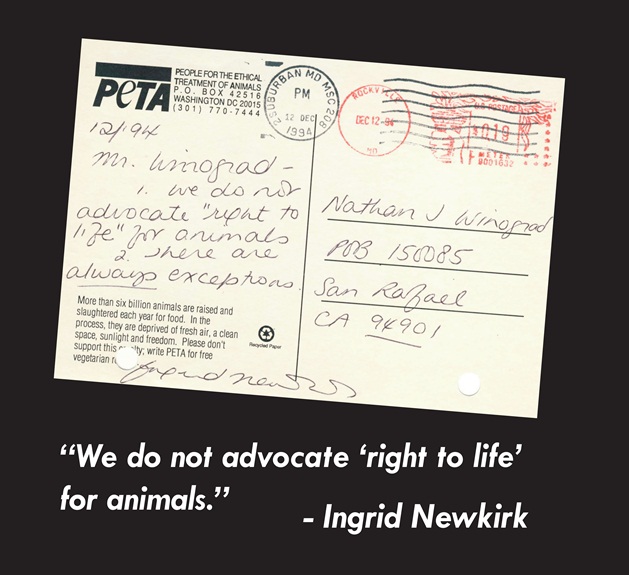
"Clowns to the left of me, Jokers to the right, here I am stuck in the middle:" I oppose Ingrid Newkirk because under her direction, PETA employees seek out and either kill or cause to be killed thousands of animals…
Delaware Gov. John Carney signs the cat bill into law. The State of Delaware has taken another step forward by protecting community cats and making community cat sterilization the preferred method of "animal control"…
New York City Council Member Robert Holden to introduce shelter reform legislation that prohibits convenience killing and mandates the programs and services of the No Kill Equation. This week, I received the exciting…
In light of historical, ongoing, and as I posted this past week, recent revelations of animal care deficits in New York City's pound system , and in light of the fact that the Health Department is attempting to push…
A new study which looks at the number of field deaths of wild animals in plant agriculture is being used by meat-eating apologists to claim that a plant-based diet is not more ethical than eating animals. Writing in the…
These are the Faces of NYCACC's "Spay Neuter Kill" Victims On average, virtually every week since the program started in January 2017, a dog or cat who has been sterilized by the ASPCA under contract with New York City…
In defense of their safety, the safety of animals, and my First Amendment rights, I will NOT be doing so. Please help me. For more than two decades, I have been working to expose the grisly truth about PETA : that far…
In response to PETA's subpoena demanding I turn over all communication I have had with former PETA employees who have recounted in detail the ways and means by which PETA slaughters roughly 2,000 mostly healthy dogs,…
A dog available for adoption at the Humane Society of Fremont County , one of the brightest spots in Colorado's constellation of progressive sheltering communities. Colorado is stuck. Don't get me wrong. The state has…
Tens of thousands of animals were spared death this weekend. A New York Times OpEd writer suggests that's a bad thing. A hopelessly contradictory and factually inaccurate OpEd piece in the New York Times is reigniting a…
Yesterday I wrote about Valerie, a dog adopted during a no-fee adoption event in Southern California . The initial report indicated she was sexually abused and died of blunt force trauma. Some well-meaning, but in my…
Valerie, a dog adopted from a shelter during a no-fee adoption event, has ended up dead. Although initial information about the case suggested abuse and blunt force trauma (observations made by a veterinary technician),…
I previously reported that in Austin, TX, the killing of dogs deemed "aggressive" has declined significantly over the years: from 2009, the year before the City mandated a minimum 90% live release rate at the shelter,…
On behalf of the No Kill Advocacy Center, I've asked the Los Angeles County District Attorney to investigate. It appears that the Mayor of Long Beach, California, Robert Garcia, has been hiding Facebook comments…
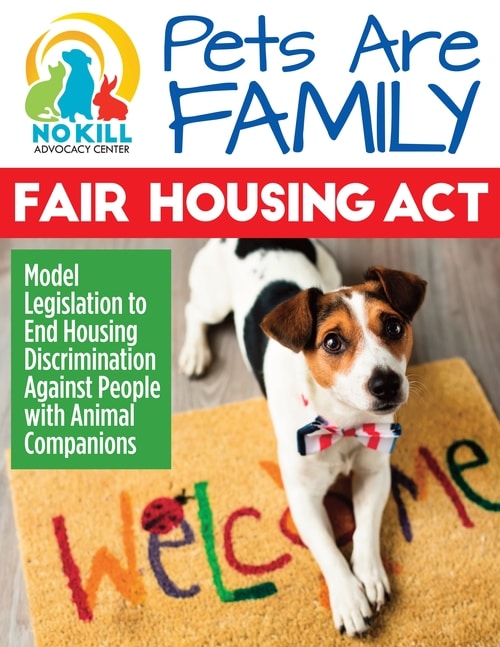
Announcing the " Pets are Family Fair Housing Act ," the latest FREE guide and model legislation from the No Kill Advocacy Center . For the vast majority of people, the bond they share with their animal companions is a…
Too many shelters are not voluntarily implementing the No Kill Equation , the series of programs and services which have proven so successful at lifesaving in shelters which have implemented them. As a result, animals…
It's bad enough that United Airlines killed a small dog by forcing a passenger to put him in the overhead compartment . It's even worse that United kills more animals in its cargo holds than any other airline . But when…
I get a lot of questions and comments about animals on a wide variety of topics and I try to answer each and every one. When they have wider appeal, I'll post my response. (If you would like to ask me anything, you can…
A Policy Discussion About The Washington Post's Bombshell Report Jack, purchased at auction by National Mill Dog Rescue. Jack, post-auction rescue. A few days ago, The Washington Post ran a very provocative exposé…
A recent article in a Florida newspaper claimed that, "Local ordinances targeting pet stores in Florida do more harm than good" and urged lawmakers to make it illegal for cities and counties to ban the retail sale of…
In the wake of the Parkland school shooting, pundits are looking at the perpetrator's history of torturing and killing animals, including maiming, crushing, and shooting. But not because they necessarily care about…
I just received documents obtained through the Public Records Act demonstrating how PETA delivers healthy cats and kittens to local pounds in order to kill them. These documents show that PETA uses donations given under…
We can avoid doing so and as a society, we invariably will. Reprinted from The Huffington Post, Dec. 14, 2017 The Los Angeles Board of Animal Services is considering a proposal to give the dogs "vegan kibble in all six…
Reggie Watts, the cat (not the comedian). Last week, I posted an article on Facebook about a lawsuit over custody of Reggie, a cat. Rae Bees, a woman who adopted Reggie five years ago from a rescue group with an "indoor…
"Which red-blooded male hasn't sexually harassed somebody? Women should be able to take care of themselves." "We're not an association that investigates sexual harassment. We raise funds for animals." Quotes from Humane…
In 2017, PETA continued to act as the functional equivalent of a slaughterhouse, with more than a thousand defenseless animals dying at the hands of their employees. Just released records submitted to the Virginia…
It is long overdue. The Chronicle of Philanthropy is reporting that "The Board of Directors of the Humane Society of the United States, the nation's most influential animal-welfare group, has hired a Washington law firm…
By Nathan & Jennifer Winograd In 2007, when Bullet, this man's dog, fell ill, he took him to the ASPCA's animal hospital in Manhattan for care. He had fed Bullet with a spoon since birth. "He was my baby," Lopez told…
An article on NPR says that there is " No 'Easy Answer' To Growing Number Of Stray Dogs In The U.S. " Citing Peter Zheutlin, an author of a book on dog rescue, we're told that "the supply of stray dogs greatly outweighs…
The Hon. Steve Nawrocki, President, And Members of the Pueblo City Council 1 City Hall Place Pueblo, CO 81003 Re: Pueblo Animal Protection Act Dear Members of the City Council, On behalf of the Pueblo and Colorado…
Why PETA Kills is available on Amazon . From now until Sunday, December 3, it is available as a free download . Why? Why does PETA kill thousands of dogs and cats every year? Why are PETA employees instructed to acquire…
The Hon. Jim Strickland, Mayor, And Members of the City Council Memphis City Hall 125 N. Main St. Memphis, TN 38103 Dear Mayor and Council Members, Several Memphis citizens have reached out to us over the enactment by…
In response to my criticism of PETA for: Killing 9 out of 10 animals ; Supporting the killing of all pit bulls in every shelter in America ; Thanking a Mayor/City Council for killing healthy and friendly dogs because of…
A new study out of the University of Denver offers 157 million reasons for a city to embrace No Kill. The exact number -- or rather, dollar value -- is $157,452,503. That's the total positive economic impact the City of…
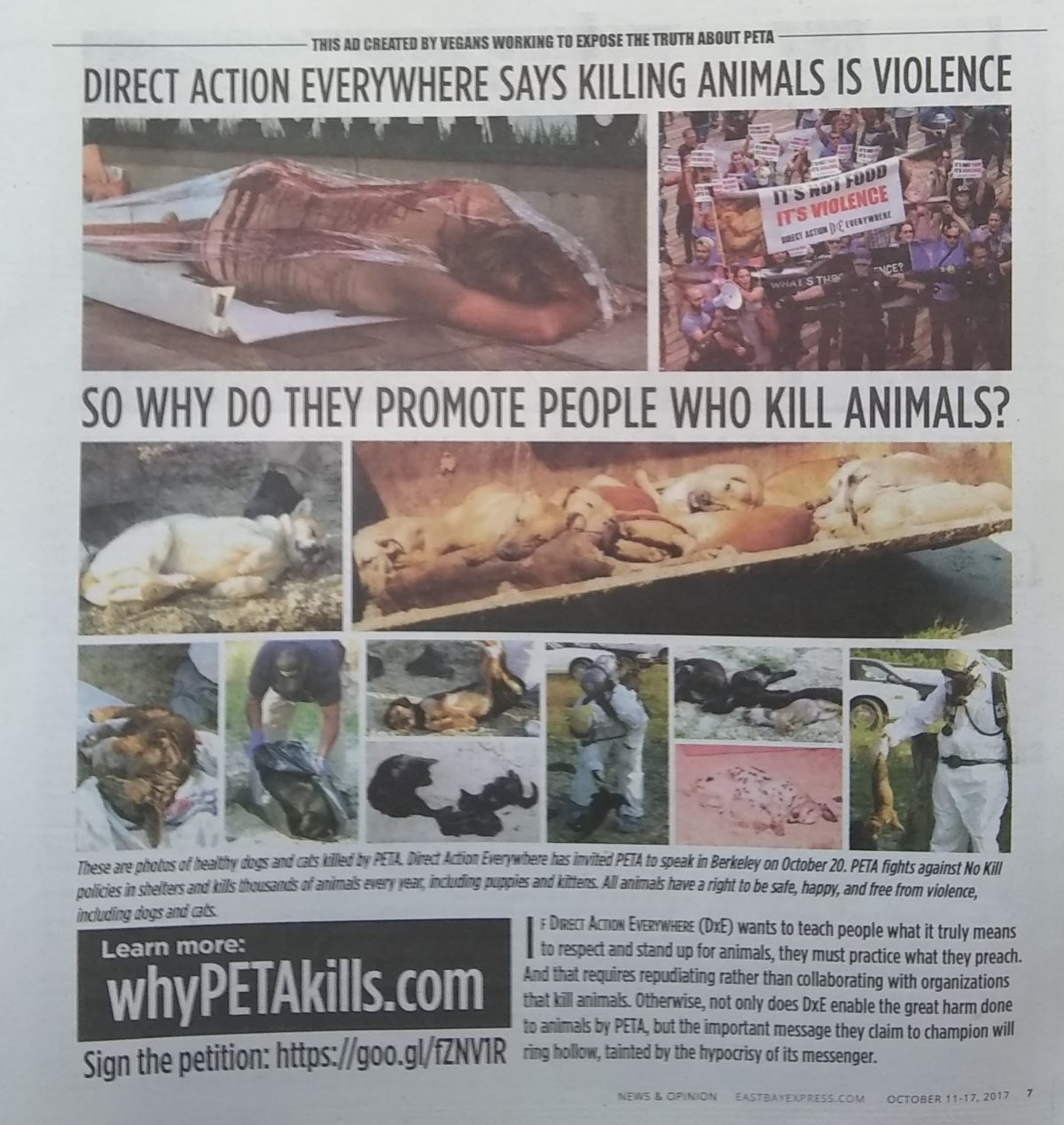
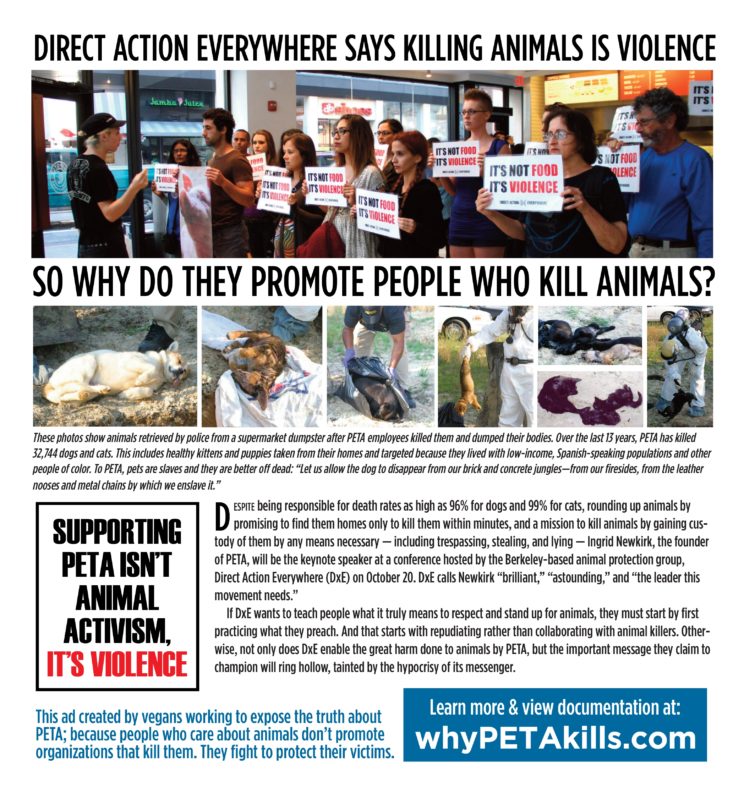
This week, this full page ad ran in the East Bay Express to protest the fact that Ingrid Newkirk, the Butcher of Norfolk , has been invited to the Bay Area to give the keynote address at an upcoming conference sponsored…
Direct Action Everywhere (DxE) has invited PETA President Ingrid Newkirk to speak in Berkeley on October 20. Newkirk is the architect of PETA's campaign of companion animal extermination which has claimed the lives of…
Jacki Moss and Diane Finley believe that every "shelter," no matter how bad it may be, can be No Kill. They also believe that "shelters" can be forced to become No Kill, even if the leadership there doesn't care enough…
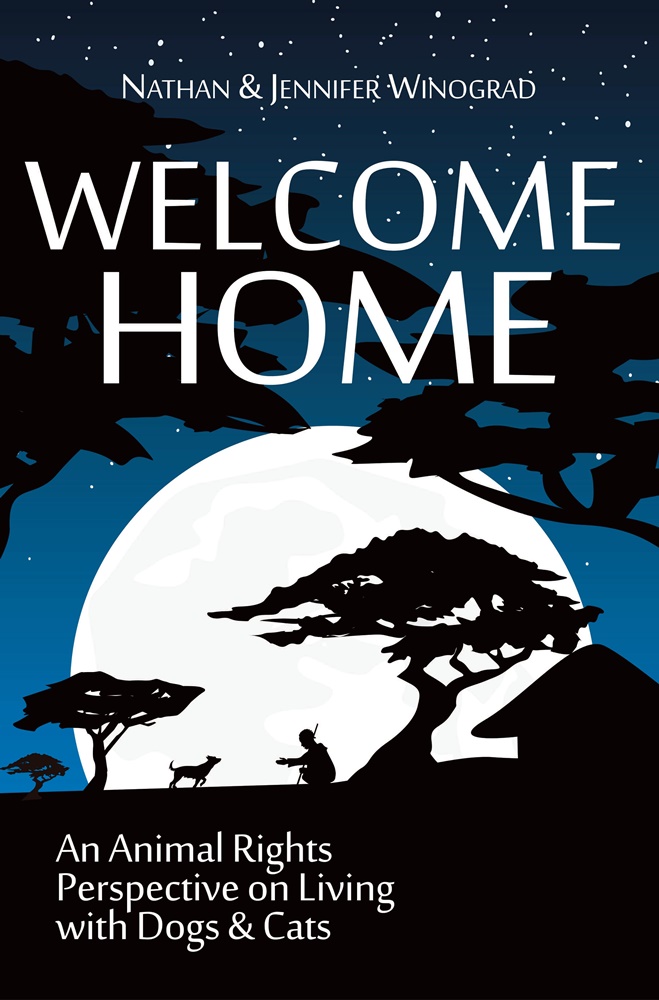
My wife and I wrote a book that will have plenty of frenemies, but few real friends. Welcome Home is a book that challenges the position promoted by the loudest voices in the animal rights movement that living with dogs…
Colorado has an 89% statewide live release rate for dogs and cats. Humane Society of Fremont County is leading the way. Sugar was surrendered to Humane Society of Fremont County by the dog's owner because she was…
Richard Gregory has died. During his life, he fought against segregation, disenfranchisement, racism, gender equality, and economic injustice. He also fought for animals: I had been a participant in all of the 'major'…
One of many healthy puppies killed by PETA after lying to get custody of him. PETA promised he would have no problem finding a home only to then kill him within minutes in the back of their van. A former PETA…
The animals caught in Hurricane Harvey's path have survived the most punishing storm and torrential rain in U.S. history. This includes not just dogs: And cats: But squirrels: Bats: Hawks: Opposums: And even ants: But…
Photo taken by my son at a candlelight vigil in San Francisco in honor of the injured and dead of Charlottesville my family attended. We stand on the side of love. Yesterday, I was tagged on Twitter and Facebook with a…
It's time to throw out the fake hand, the doll, the food bowl takeaway, and the loud knock on the door. The debate as to whether temperament testing in a shelter is effective, flawed, needs modification, or should be…
A veterinarian may face disciplinary action for refusing to kill a dog. She should be hailed as a hero. As wrong as it is to talk of animal companions as "property," there are times when that legal status confers…
I've been vegan for 26 years. In fact, I'm an All American Vegan . And I've been an All American Vegan for roughly half my life. It's not as impressive as my wife's 30 years of veganism or even my daughter's 21 years.…
Instead they celebrate a killing of them. Next month, the Animal Rights Conference will take place in Alexandria, VA. It bills itself as, "The world's largest & longest-running event dedicated to the liberation of…
An Animal Rights Perspective on Living with Dogs & Cats I am pleased to announce that Welcome Home , our new book, is now available on Amazon by clicking here . For the vast majority of people, the bond they share with…
A growing number of shelters are claiming they and their communities are No Kill or near No Kill without actually saving all animals who are not irremediably suffering . Here's how they cheat: 1. Not counting animals…
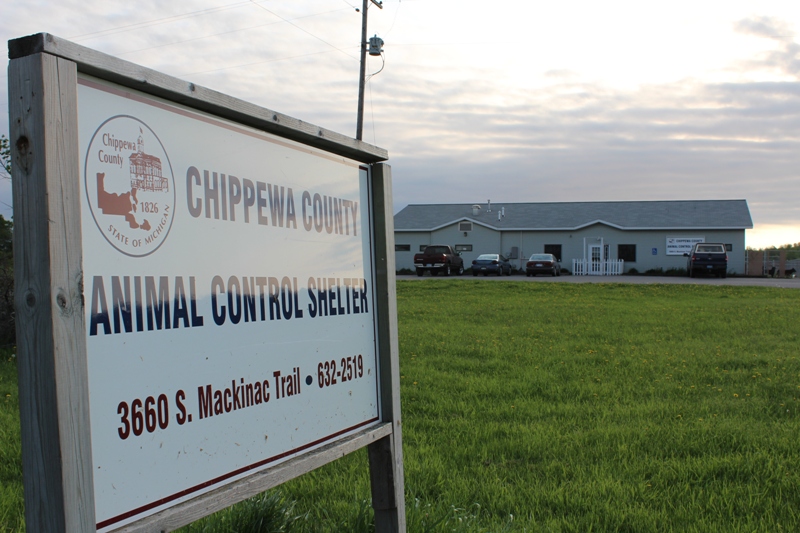
Phil is looking for a home at Chippewa County's animal shelter. If Michigan is a sign of the times, it is good news for the No Kill movement. In 2007, Michigan shelters were killing close to 120,000 animals. In 2016, it…
I get a lot of questions about animals on a wide variety of topics and I try to answer each and every one. When they have wider appeal, I'll post my response. (If you would like to ask me anything, you can do so in the…
PETA and the Norfolk, VA, pound team kill many community cats and kittens the minute they enter the "shelter." PETA claims killing is a last resort; that all the animals they take in are irremediably suffering and that…
Last week I reported about all the kittens PETA rounded up and took to the Peninsula Regional Animal Shelter in Newport News, VA, to be killed . PETA logged them as "live releases," but only two (out of 20) were spared.…
Yesterday, the Los Angeles City Council, America's second largest city, " re-committed" to achieving a No Kill community . They claim they will have a 90% or better live release rate for dogs and cats by the end of this…
PETA is using donations given to them under the mistaken belief that the organization will use those donations to save lives to have healthy cats and kittens poisoned, instead. Among the dead are unweaned neonatal…
Everyone is familiar with the old quip that there are three types of lies: lies, damn lies, and statistics . Statistical manipulation is very easy: It's all about the assumptions and inputs one uses when crunching…
In response to a question about whether to adopt a cat from a No Kill shelter or one that kills, The New York Times' ethicist —citing PETA, HSUS, and the ASPCA—tells its readers that, "I myself have concluded that it…
After PETA took Maya, a family's beloved dog, and killed her, the Virginia legislature overwhelmingly passed SB 1381 to make clear that a "private shelter" was not a tool for PETA and others to kill animals, but had to…
Despite its name, PETA is an unethical organization: it rounds up and kills community cats, it fights shelter reform, it lies to people to acquire their animals to kill, it defends abusive shelter practices, and it puts…
How does a city bring hundreds of high paying jobs, raise millions in sales taxes, and revitalize small business? It stops killing animals at the pound. This month, the Ozark, AL, city council passed an ordinance…
Your Help Need to Stop VDACS Commissioner & Staff From Betraying Animals If there was any doubt that the bureaucrats in charge of protecting animals in "shelters" and from PETA at the Virginia Department of Agriculture…
Affidavit submitted to court by former employee details how PETA lies to acquire animals to kill, removes pets from homes, kills highly adoptable animals such as puppies and kittens without ever trying to find them…
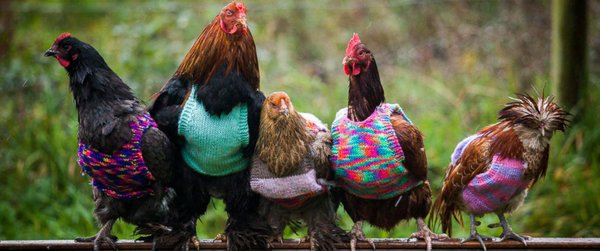
Rescued chickens are dressed up to protect them from the cold. Soon, dressing up a chicken will literally mean dressing them up. Memphis Meats has announced that they have successfully developed the world's first…
A cat available for adoption at Shenandoah Valley Animal Services Center. It reported a 97% live release rate for dogs, 92% for cats, and 100% for other animal companions, putting Augusta County, Staunton, and…
That's Good News, if True, But ASPCA Obfuscates Full Causes of the Decline The ASPCA just announced that shelter killing dropped to 1.5 million last year: 670,000 dogs and 860,000 cats . If true, that would be the first…
It seems like a silly question, since a coconut is a fruit (technically, it's a drupe), but it's a question that has me more and more upset. Over the last several years, Jennifer and I have watched with increasing alarm…
Just Released Statistics Show that in 2016, PETA Killed 854 Cats and 557 Dogs. Please Contact Virginia Officials to Demand an End to It. In addition to killing 854 cats, PETA urged officials in various communities…
Seven years and $800,000 later, the City of Los Angeles continues to systematically put to death community cats. In 2009, several anti-cat groups filed a lawsuit against the City of Los Angeles in a bid to prevent…
A story in the Boston Globe by Amy Sutherland is making the rounds on social media. It's called "Saving Shelter Dogs: A Love Story" and it's an example of how to emotionally manipulate people into accepting wrong…
According to People for the Ethical Treatment of Animals, 'Cats smell, they are a nuisance, make too much noise, are a public health and rabies threat, transmit disease and parasites, including "roundworms, hookworms,…
But the conclusions the funders of the study are drawing from it are not only wrong, they're pernicious. A new study, by researchers at Mississippi State University, claims the number of dogs killed in U.S. shelters is…
By Nathan & Jennifer Winograd Pit bull adoption bans do not reduce dog bites or dog severity, but they do kill a lot of dogs (and, according to an article in the Washington Post , are likely motivated by racism). They…
A new study looked at the killing of dingoes as a method of protecting people and found that it doesn't work. In fact, it found that it makes things worse . Killing wild dogs led "to social instability and diminished…
Help needed to get Florida shelter reform legislation passed. It is the most powerful piece of shelter reform legislation ever introduced. Short of a ban on killing, its passage would be a game changer not only in…
Supporters of "Jallikattu" in India, where a scared -- not "sacred" as proponents claim, but scared -- bull is chased by a lot of people to forcibly hang on to him, have been trying to contact me to help them because…
By Jennifer Winograd The most effective way to destroy people is to deny or obliterate their own understanding of their history. -- George Orwell The wrongs done to trees, wrongs of every sort, are done in the darkness…
And the promise of even better things to come... A lot of people are saying good riddance to 2016. Many of those are not looking forward to 2017 either. This is understandable. But from the standpoint of animals, the…
Lynda Foro, the founder of Doing Things for Animals (DTFA), has died. Foro launched the first "No Kill Conference" in 1995, was the first to create a directory of No Kill shelters in the U.S., and steadfastly promoted…
Updated January 17, 2017 A Letter to the Leadership, Activists, & Supporters of Direct Action Everywhere Direct Action Everywhere Organizing Principles: ' WHAT WE BELIEVE: Animal Liberation: We believe that every animal…
Michael Eckert, Editor The Times-Herald 911 Military St. Port Huron, MI 48060 Dear Mr. Eckert, The Editorial Board of The Times-Herald recently published an OpEd claiming that achieving No Kill in the county shelter is…
"Political Abuse, Corruption, Nepotism and Cronyism" costing animals their lives. Years ago, staff at the Town of Hempstead, NY, pound filmed themselves terrorizing a cat . As lazy, inept and cruel animal control…
A new study offers 71 million reasons to save animals. There are many good reasons to save more lives in "shelters," not the least of which is that animals have a right to life, we have an ethical duty to do so, and we…
I've reported on various studies that have found that group housing, play groups, and plenty of socialization are absolutely crucial for dogs in shelters . Last week, I also reported about a new study on senior dogs…
Last year, the Commonwealth of Virginia overwhelming passed SB 1381 , a law which requires shelters to be "operated for the purpose of finding permanent adoptive homes." In other words, SB 1381 does what the public…
(Photo courtesy of Eileen McFall) For the animals of Napa County, CA, it was a good day at the ballot box. Voters overwhelmingly approved a law to provide better care and increase the number of animals who leave the…
Killing at the pound not only harms the animals who are killed, it harms animals outside the "shelter"* by fueling the puppy mill industry . It harms volunteers and rescuers, taking a severe emotional toll on them . And…
For those who have been following my work, you already know that PETA is being sued for taking and killing Maya, a family's dog. You also know that PETA rounds up and kills animals every year. Finally, you know that…
Effect of Breed Perceptions & Labeling on Attractiveness, Adoptions & Length of Stay for Pit-Bull-Type Dogs
Senator Tom Hayden has died. As obituaries are written across California and even our nation to honor the life and achievements of this stalwart champion of justice, those tributes will highlight those chapters of his…
Part I: PETA tells a court that dogs are worthless and that stealing & killing a family's dog is not "outrageous." The Court disagrees. Maya. Killed by PETA On October 18, 2014, PETA representatives took a family's dog,…
Yesterday, I posted about a court case against the Louisiana SPCA filed by a Bulldog Rescue group for the shelter's refusal to provide information on the dogs they killed . In a victory for transparency, for the rights…
Transparency is the hallmark of accountability, the best disinfectant for corruption. And there is no better example than the No Kill movement itself. The only thing that has forced the large national groups and…
A social, friendly kitten rescued off the street by a rescuer (and her dog) after she was released to the streets, in a location she was not familiar with, by Brevard County Animal Shelter, a shelter that calls itself…
Photo by Eileen McFall: dog playgroup at Austin Animal Center. True to their mission statements and the highest ideals of the animal protection movement, shelters committed to a No Kill orientation seek to provide a…
By Nathan & Jennifer Winograd Many of us tried to engage in meaningful dialog with Bay Area politicians and land managers about our objections to the clear cutting and poisoning of the hills. We were rebuffed. Some,…
A comparative look at shelter and puppy mill dogs.
PETA officials thought they could get away with illegal killings. A Court will determine if they succeed.
Join me-‹ in Portland, OR, for a workshop on building a No Kill community and a screening of Redemption, my film about the No Kill revolution in America.
A call to exterminate cats in the continental U.S. "by any means necessary."
PETA to Deliver Louisiana Animals to Virginia Kill "Shelters."
Former ASPCA CEO Ed Sayres argues that people should 'shop, not adopt,' that pet stores protect public safety, that shelter dogs are a threat, and that pit bulls in particular are a bigger danger to Americans than jihadi
The newest free guide from the No Kill Advocacy Center.
Healthy bodies, healthy minds, healthy relationships. And sniff holes.
Delaware Animal Services, which provides animal control sheltering throughout the State of Delaware, saved 89% of cats, 93% of dogs, and 98% of other animals.
45,000 animals who otherwise faced being killed were adopted in a single day, emptying shelters across the country, erasing one week's worth of killing in the U.S., and making it the safest day for homeless animals in Am
Following nationwide trends, lifesaving is up in the Garden State.
The short answer is no.
The No Kill Advocacy Center, my organization, just finished analyzing sheltering statistics for the state of Michigan and I am glad to report that following nationwide trends, the percentage of animals leaving shelters a
We're trying to give our rescued fish the best possible life, but I'm at a loss.
86% of Colorado dogs were saved, 83% of cats were saved, 74% of birds, 87% of rabbits, 85% of "pocket pets" (other small mammals), 96% of reptiles, 83% of fish and "farmed" animals.
"Saving one animal won't change the world, but it will change the world for that one animal."
Dallas wants to eliminate holding periods to kill animals right away. Austin more than doubled theirs as they recently passed one of the most rigorous, smart, and comprehensive holding period laws in the country.
PETA tells a court that a dog they killed was worthless.
"An international animal rights organization believes the free-roaming cats that live under this borough's boardwalk would be better off with a lethal injection than having to spend all their nine lives in the cruel outd
The number of dogs and cats killed in U.S. shelters now stands at 2.6 million.
350,000 spay/neuter surgeries later, the killing continues:
How do you celebrate progress when animals are still being harmed by the very same institutions?
A situation that calls for circumspection, rather than cavalierness, and human ingenuity rather than human violence.
Earth Day 2016
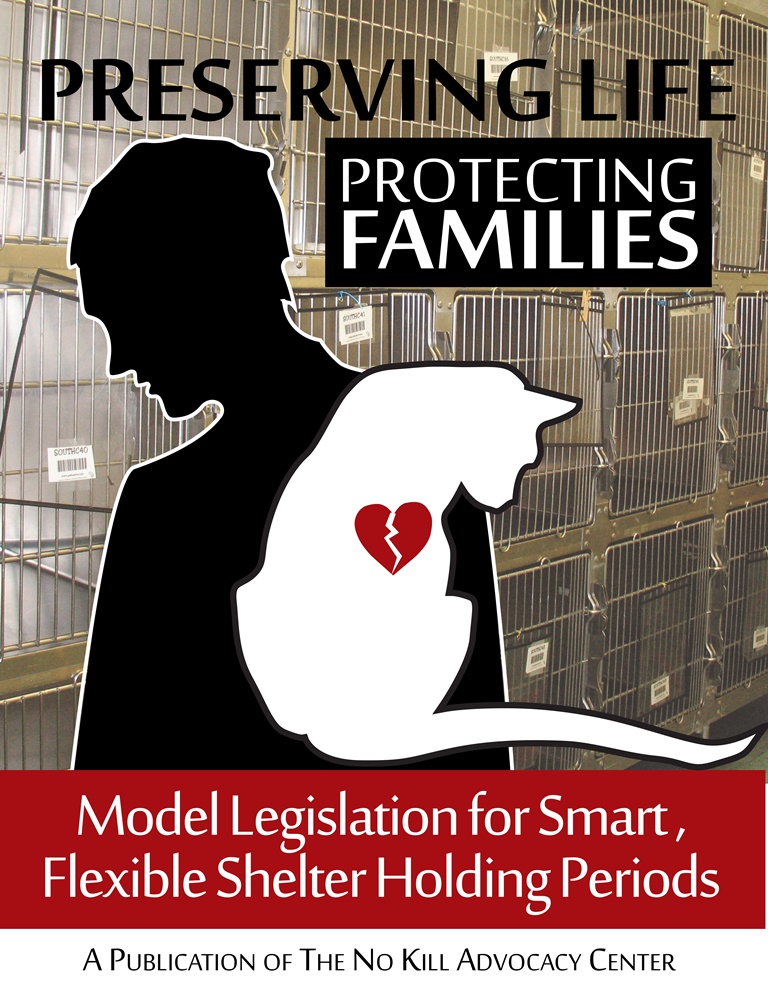
Model legislation for smart, flexible holding periods.
Why rescuing an ant matters.
PETA is rounding up healthy community cats and kittens and taking them to the police-run pound to be killed.
PETA says it transferred animals to other shelters; but those shelters filed their own reports saying they didn't take in any from PETA.
These groups have become lobbyists for animal shelters, rather than lobbyists for the animals those shelters kill.
2015 saw thousands of animals killed by PETA and thousands more which PETA urged be killed and it shows no sign of slowing down.
The commercial breeding industry is fear mongering about a shortage of millions of puppies to meet demand.
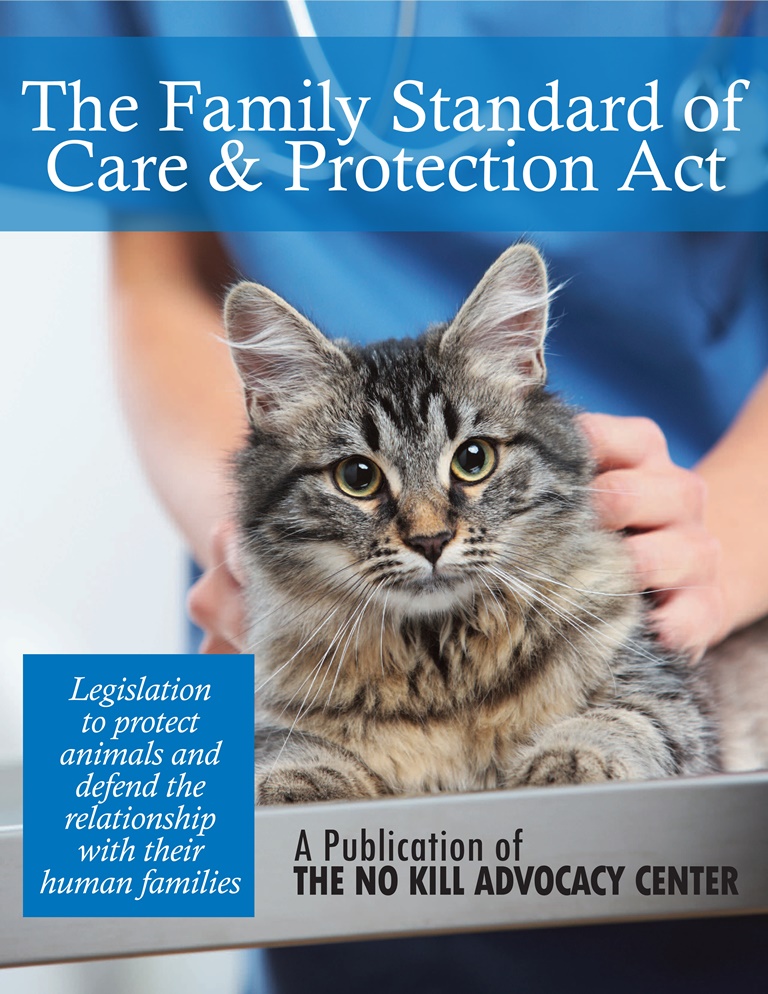
Legislation to protect animals and defend the relationship with their human families.
Join me tomorrow in Bakersfield, CA for a screening of Redemption and a seminar. The event is free and open to the public.
A series of Facebook posts leads to apoplexy.
As an animal-loving father of two children, I read, with sorrow and dismay, the story of a young girl who raised a blind bull named Oatmeal, only to sell him so he can be butchered for food.
Animals are worth more than their "market value."
My new article in the Huffington Post.
Fighting the war on nature.
By advocating with a keyboard, we can change hearts, minds, laws, and policies.
The Maryland Animal Shelter Standards Act would, among other things, end convenience killing in shelters.
Taking photos and using internet deemed too onerous to save thousands of animals despite a one-time $12.99 cost.
Houston has announced it is going to follow Dallas' lead and round up dogs.
Legislation would end convenience killing.
Seeks to weaken protections for shelter animals.
Animals in shelters deserve our protection today.
The AVMA revises its policy on "Free-Roaming Abandoned and Feral Cats."
Your Help Needed to Stop Legislation Which Would Allow PETA to Continue Killing Thousands of Healthy Animals Every Year.
Dogs share food with friends.
We're making progress to be sure. But we have more work to do.
2015 saw the movement both expand the army of compassion and the circle of compassion.
2015 was also a banner year for saving lives, with animal shelters in cities and towns across America rejecting killing like never before.
We obviously have a long way to go, but in 2015 our movement made significant progress toward tackling the abuse of animals: in puppy mills, in homes, in shelters, and on farms.
How many paid lobbyists does it take to kill thousands of animals a year?
December 18, 2015.
Download the free guide from the No Kill Advocacy Center.
Agency proposes combination of "non-lethal and lethal control measures" to rid D.C. of cats, geese, and deer.
Where criticism of PETA gets it right and wrong. This is Maya, playing with her human . PETA is being sued for stealing and killing her . PETA originally denied taking the dog, but surveillance video proved otherwise .…
Cats who are gently petted and talked to by humans have a markedly lower chance of getting an upper respiratory infection.
Today is the six year anniversary of the ASPCA's killing of Oreo, an abused dog, who a No Kill sanctuary offered to save.
Austin saves 97%, Dallas kills more than half and plans to kill even more.
Over the next several weeks, we're mailing Redemption, my film about the No Kill revolution in America, to shelters and rescue groups across the country.
Dogs are often killed in pounds because of "behavior" problems that deem them "unadoptable."
Read my article in the Huffington Post.
Yesterday, I reported how PETA is trying to kill pit bulls in shelters across the country. Now they are trying to ensure that "feral" cats continue to be killed in New York.
PETA also practices what it preaches.
"Fospice Care"
Or, How to Save 46,413 Animals a Year
Allows Some Cats to be Killed Right Away.
Why PETA's lawsuit against a wildlife photographer harms animal rights activists, the animal rights movement, and ultimately, the animals themselves.
Here's my letter to the Oakland City Attorney.
Where there is a profit to be made on the backs of non-humans, those backs are strained and often broken.
An open letter to a reporter who betrays his profession.
High tea, cucumber sandwiches, orphaned baby kittens, and a "mangy" Pit Bull.
Washington, D.C. is not only considering a plan to round up and kill thousands of cats, but it is proposing a wholesale slaughter of geese and other animals, as well as trees and plants. On September 18, a City Council c
Wilbur is as much a dog as Oswald is and Oswald is every bit the pig that Wilbur is.
...when lives are at stake. What a humane society should be.
HB 71 would make it illegal for shelters to kill animals if there are empty cages or kennels, if animals can share a cage or kennel with another animal, if a foster home is available, if a rescue group is willing to take
Please join me in signing a petition asking the Sierra Club to stop championing the destruction of forests and the spreading of thousands of gallons of toxic herbicides in the San Francisco Bay Area.
The No Kill Advocacy Responds Responds to the Association of Shelter Veterinarians.
A truly harmonious relationship with them and with the environment of which they are a part is simply not possible so long as we continue to kill them or turn a blind eye to their suffering as a result of something as ul
Overall, 89% of dogs were saved, 82% of cats were saved, 86% of birds, 82% of rabbits and other small mammals, 87% of reptiles, 85% of farm animals, and 77% of "other" animals.
In Defense of Eucalyptus Trees.
The newest guide from the No Kill Advocacy Center.
What An "Average" State Shows us About Sheltering in the U.S.
PETA has once again shown its true colors, this time aligning itself with a hunting organization in order to promote the round up and killing of community cats.
If you want something done right, do it yourself.
If dogs are people and pigs are dogs, then pigs are people, too.
A horse injured while filming for a movie. AHA certified that "no animals were harmed" even when they have been killed. How do Americans feel about animals? In a national survey, 96% of Americans—almost every single…
Virginia law, § 19.2-191(2), empowers the state's commonwealth attorney to order a grand jury to "investigate and report on any condition that involves or tends to promote criminal activity, either in the community or by
Just One Day is a campaign that asks shelters to stop killing on June 11 of every year.
And the No Kill Advocacy Center is here to help.
The time is ripe for me to recapture my roots in the cause of animal protection.
A plan to eliminate 2,000 acres of wildlife habitat is fueled by medieval morality.
Help me and other animal activists working to protect the thousands of animals every year who will continue to die at the hands of PETA every year and who need you to come to their defense.
While news of PETA's activities so often results in people asking, "What happened to PETA?" and "When did it become so corrupt?" these questions, in light of PETA's history, are misguided and misinformed. Nothing has hap
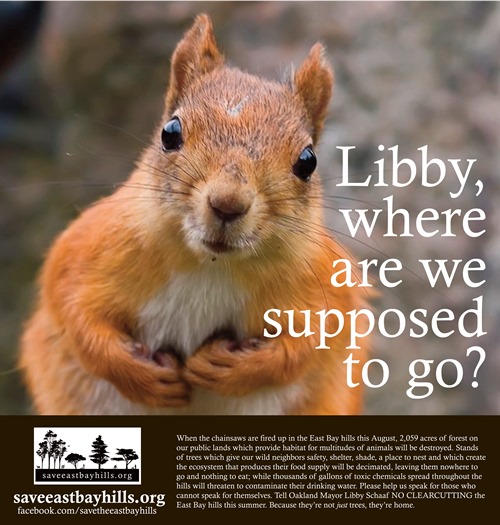
Squirrels, raccoons, opossums, birds, and all the other animals who make the forests of the San Francisco East Bay their home rely on trees for shelter, cover, safety, shade and the ecosystem the trees create which allow
In calling, either explicitly or implicitly, for the round up and killing of cats, these nativists engage in a great hypocrisy: forcing onto cats a standard they refuse themselves to obey.
Because people in shelters are killing them.
When you can't argue with the message, shoot the messenger.
With animals, we have the possibility of ending their suffering in a way the law, in most places, does not allow for humans. As such, we bear a tremendous responsibility.
Fighting the Oakland, UC Berkeley & East Bay Regional Park District's War on Nature.
As we work to create a society where animals are cherished and protected, let's not leave a single bunny behind.
A Federal Judge in Rhode Island has upheld a local law that bans the sale of dogs and cats from pet stores.
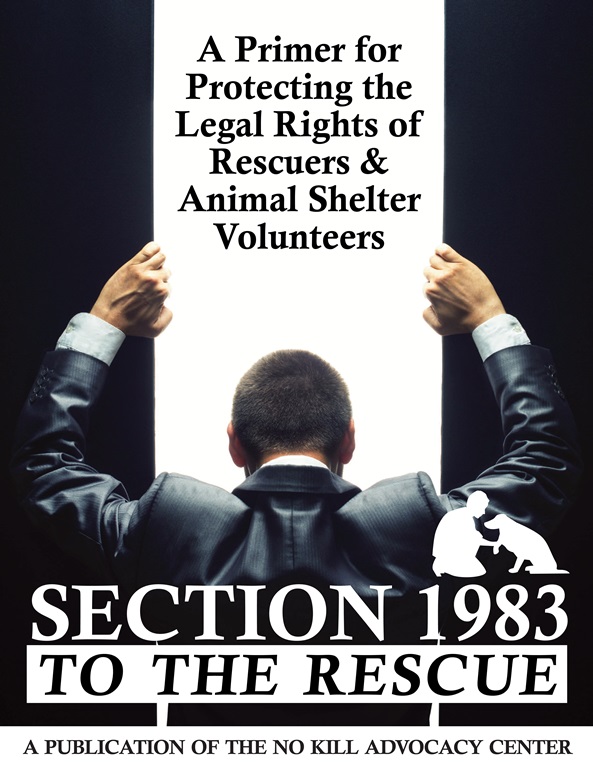
Protecting the legal rights of rescuers and shelter volunteers.
For many decades, shelters and their allies at national organizations made bold claims about the necessity of shelter killing without providing any hard evidence to back up their assertions.
Celebration & Sober Reflection in the Passage of SB 1381 (& What You Can Do).
PETA attempts to derail lifesaving laws to help animals.
Plan to Decimate East Bay Forests Scheduled to Begin This August
Records from VDACS show that at least two kittens, one puppy, and two other dogs were also killed.
You have until Monday to write in support of the No Kill Advocacy Center petition.
A new computer modeling study adds to an already significant body of literature showing that neuter and release of community cats is effective.
New Website Demonstrates the Myth of Pet Overpopulation by Highlighting Success.
Progress toward a No Kill nation.
Arizona shelter to spay pregnant moms and kill the puppies.
Animals in Florida, Maryland, Connecticut, and Minnesota To Die
I cannot make that claim now and New Hampshire is certainly not one yet.
PETA has finally spoken out on the stealing and killing of Maya. And it is a lie.
Your voice makes a difference.
It is imperative that only No Kill programs and services be implemented.
June 11 just may be the safest day for companion animals in shelters.
And they didn't get trapped, neutered, or released.
Reaching Higher and Why I Now Disown My Progeny, the 90% Rule
It included theft of animals, lying to people in order to kill their animals, lying about animals being "unadoptable," falsifying drug records in order to kill animals "off book," and submitting false information to offi
In 2014, a demographically diverse sweep of cities and counties reported save rates from 90% to as high as 99%.
"Contrary to what PETA maintains, the majority of animals it takes in are not beyond hope, in my experience many would be considered highly adoptable by a shelter, the 'better off dead' line is one that is dragged out in
What You Can Do To Help
PETA's Killing, Cognitive Dissonance, and What We Owe Animals
Submits False Information to the Commonwealth of Virginia
An Animal Rights Perspective on Living with Companion Dogs & Cats.
Today, this full page ad appeared in the Virginian Pilot, the newspaper of PETA's hometown. I and other animal lovers paid for it. We will not stand by and allow PETA to get away with murder.
We not only have the First Amendment right to speak out, we have a constitutionally protected right to demand that the government correct the wrongs that are identified.
Similar laws in other states have saved tens of thousands of animals every year, have reduced killing statewide by 78%, and have cut millions of dollars in wasteful spending.
You can help save animals like Oswald.
No Kill does not mean poor care, hostile and abusive treatment, and warehousing animals without the intentional killing.
See the haters for what they are: evidence of progress.
On October 18, 2014, in Parksley, VA, PETA stole Maya, a happy and healthy dog, from her porch while her family was out. They killed her that very day.
What is right or wrong does not come down to who is advocating a particular position, but which position is most likely to foster the kind of outcome you, as an animal lover, would like to see.
Our shelter was small, but we had big hearts and we never lost sight of our mission: "It's great to be alive!"
Our animal shelters could be great, and the narrative that says that when an animal is no longer wanted, tragedy must necessarily ensue, could be replaced by the understanding that when animals need a helping hand, our s
We've come so far, but we still have a lot of work to do.
Despite these setbacks, all in all, it was a remarkable year and marks a major step forward.
Home 4 the Holidays, Just One Day, the Myth of Pet Overpopulation, the Six Freedoms, and the Million Cat Challenge in Context
A new study shows TNR works. OK, you know that. That is neither a controversial nor new finding. In so many ways, it may even seem mundane. But the study will be very helpful to you as you advocate for TNR/SNR in your co
Over 30,000 animals, including a dog stolen from her home, have been killed.
PETA "absolutely" kills adoptable animals.
On November 6 at the University of Virginia School of Law, I debated PETA's attorney on the issue: "The Kill Versus No Kill Debate: Which Animal Shelters Are Most Humane?" I argued for a guaranteed right to life for…
As soon as I walked in, someone said hello, asked me if I need help, told me about the 16 white kittens they had, and asked if I wanted to adopt one, all before I had the opportunity to say hello back. What a breath of f
If we reformed shelters, SNR wouldn't be the first choice for socialized community cats: redemption and adoption would be. It would and should, however, remain the last, because killing should never be a choice at all.
If you want No Kill in your hometown, you are going to have to fight for it.
As the No Kill movement gets larger and more communities improve rates of lifesaving, we need more rigor in defining what constitutes a No Kill community.
And pays people to eat them.
Ed Sayres, the former president of the ASPCA, has been hired by the Pet Industry Joint Advisory Council, an industry lobbying group that supports puppy mills and fights animal protection legislation to curtail the abuse
Davidson County is still killing 6,000 animals every year. And it is still gassing animals. And this month, several of those animals ended up dumped in the middle of a road where people driving by saw them.
Why I Will Not Be Speaking at the FARM "Animal Rights" Conference.
At their national sheltering conference this year, HSUS' Vice-President for Companion Animals admits that pet overpopulation is a myth.
A Look at HSUS' Embrace of "Open" Adoptions.
Join me in a city near you.
Assembly Member Mike Gatto Pulls Harmful HSUS Bill After Massive Outcry From California Animal Lovers
When it comes to fundraising, HSUS is happy to celebrate the special bond you and your animal share. But when it comes to legislation, they want to empower shelters with the ability to destroy that relationship. HSUS' le
AQ&A about the bill to address confusion, why the precise wording poses such a pernicious threat, how this bill came about, and ultimately, why faith in HSUS is misplaced.
Read my article, Mike Gatto's AB 2343 Betrays Dogs, Cats & The People Who Love Them, in The Huffington Post.
Jennifer Fearing, a lobbyist for HSUS, is proposing a bill which threatens to take cats from their families and give them to for-profit companies, including potentially, companies who sell animals to research labs.
If Jennifer Fearing of HSUS has her way, California's shelter dogs and cats would be put at grave risk.
AB 2343 will not only tear families apart, it will allow for the transfer of California's shelter dogs and cats to individuals who want to sell them for undisclosed purposes. Yes, sell them.
HSUS is asking us to accept either a system of mass killing or to give shelters the ability to tear families apart.
We don't need animals to disappear from the Earth before we can do right by them.
For shelter directors accustomed to operating their facilities with little to no oversight, no lifesaving expectations, and virtually unfettered discretion, laws like CAPA are deeply threatening.
If HSUS and their allies get their way in Minnesota, animals will continue to die and die cruelly.
Delaware Companion Animal Protection Act Proves a Resounding Success, Reducing Shelter Killing in That State by 78%.
Another completely made up statistic used to legitimize the killing of kittens in shelters.
PETA supporters are calling for protests at the first ever screening of Redemption. I say, welcome!
Please join me for a very exciting event.
Shelter killing is the leading cause of death for healthy dogs and cats in America. It doesn't have to be.
From the No Kill Advocacy Center.
Not only is depriving cat lovers of the companionship of their cats cruel, offensive, and wrong; not only is legislating second class status unethical; not only is it not supported by the evidence or experience; it is al
HSUS, Maddie's Fund, the ASPCA, UC Davis, the Maddie's Shelter Medicine Program, and other cat "protection" groups and cat "advocates" believe your love and your relationship with your cat are meaningless and are not wor
My latest article in the Huffington Post.
Today is the four year anniversary of the ASPCA's killing of Oreo, an abused dog, who a No Kill sanctuary offered to save . After Oreo was killed, legislation was introduced in New York which would have made it illegal…
A Case Study.
An Ode to Dogs.
Friendly Fire is free all week. Download it today.
My latest article in the Huffington Post.
A new lifesaving tool from the No Kill Advocacy Center.
When HSUS fails to keep up with innovations in sheltering, the results are deadly.
Wayne Pacelle admits "open admission" is not better when the end result is killing.
A critical assessment of the "California Sheltering Report."
I'm going on the road in 2014.
Killing an animal is not an act of love. It is an act of violence. No Kill is love.
When your dog dies, you will grieve. When you die, your dog will grieve. That alone should take killing off the table.
Following HSUS and the ASPCA off the cliff into a deep, black void of kitsch.
One volunteer's view of a shelter's transition to No Kill.
From the pages of Friendly Fire.
Model legislation from the No Kill Advocacy Center.
The No Kill revolution is on the march.
A reflection on love and loss.
Condemns effort that saved as many as 10,000 shelters animals.
... We Saved Thousands of Animals From Slaughter
Invasion biology walls off the heart.
Read "Biological Xenophobia: The Environmental Movement's War on Nature," my latest column in the Huffington Post .
Help save the forests of San Francisco, Berkeley and Oakland.
The No Kill Advocacy Center proudly announces: We Can Do It! A free guide to adopting your way out of killing.
When you donate to PETA, you not only fund the killing of animals, you fund the intimidation of animal lovers.
And what it means for the future of animal sheltering.
Meet the new ASPCA boss, same as the old ASPCA boss.
When your dog dies, you will grieve. When you die, your dog will grieve. That alone should take killing off the table.
In the last 11 years, 29,426 animals have died at PETA's hands including those they themselves described as "healthy," "adorable," and "perfect." Help me stop it.
Todd Rumsey is the President of No Kill Williamson County in Tennessee and he is a man on a mission.
TODAY is the last day to get an early registration discount.
My letter to Wayne Pacelle, President of HSUS, exposing how PETA's nationwide effort to harass and vilify No Kill reformers and their systematic program to defend and even perpetuate an antiquated and cruel sheltering mo
I do not oppose PETA because of what they are supposed to be. I oppose PETA because they are NOT what they are supposed to be.
In response to my article exposing PETA's killing of these puppies and other animals, PETA claims I am a "man with an agenda." My only agenda is to stop the killing.
Read my photo article about PETA in the Huffington Post.
PETA's systematic killing of animals and embrace of their killing cannot be understood without a psychological analysis of both Ingrid Newkirk, PETA's founder, as well as those she recruits to do her bidding.
Nasty, brutish and short? No.
To save lives, we do not need to look across our borders; we need to look no further than a neighboring American community.
The importance of legislation in the fight for a No Kill nation.
Today I am launching a new website which exposes the truth about PETA: www.whyPETAkills.org
The spaying of pregnant animals.
The myth of pet overpopulation.
Since they can't attack the message, they attack the messenger.
Don't let anyone tell you otherwise.
Twelve years ago we had not a single No Kill community, today we have over 90 communities representing about 300 cities and towns nationwide saving between 90 and 99% of all animals. And this success comes in spite of th
What's in a Name? from the No Kill Advocacy Center will allow legislators and policy makers to understand why groups like HSUS, the ASPCA and PETA oppose badly needed shelter reform legislation.
Legislation (A3825) has been introduced in New Jersey that would eliminate holding periods and allow shelters to kill animals immediately if the shelter determines, in its sole discretion, that an animal is not fit for a
An open letter to supporters of PETA, the ASPCA, and the Humane Society of the United States,
I am now writing for the Huffington Post.
A letter to the ASPCA Board of Directors.
You either love animals or you love PETA, but you can't love both because the two are mutually exclusive.
Why? Why does PETA kill animals? Why does PETA call for more killing even in the face of alternatives? Why do they fight efforts to save animals when they are supposed to be an organization that helps them? And why do th
The Bizarre and Disturbing Truth About the Nation's Most Infamous "Animal Rights" Organization.
The newest tool from the No Kill Advocacy Center: Countering the Opposition.
No Kill is a humane, sustainable, cost-effective model that works hand in hand with public safety while reflecting the compassionate, animal-loving values of the American people.
Stand up. Speak out. Fight the power. Without you, the animals don't stand a chance.
Let's celebrate when communities reach 90th percentile save rates. Let's celebrate the fact that better than one new community per week crossed that milestone in 2012. Let's encourage others to do the same. And then let'
Should it be illegal for a rescue group to kill an animal if another rescue group is willing to save the animal's life? Yes.
If we agree that shelters should not kill in the face of a rescue alternative, why don't we agree that a rescue should not kill in the face of a rescue alternative?
Together, not only will we save lives; but we will create a future where every animal will be respected and cherished, and where every individual life will be protected and revered. Happy new year.
Animal lovers call Davidson County, North Carolina's shelter "savage," a "disgrace," "disgusting" and "horrific." What does HSUS call it? A "shelter we love."
Despite a 95% save rate, Josh Cromer is setting his sights even higher.
If other communities can do achieve No Kill, why can't Norfolk? The short answer is it can: when it stops listening to the political death cult that is PETA.
An expose by a local news station has uncovered that its humane law enforcement division is allowing abused animals to die all over New York City.
The No Kill Equation provides a humane, life-affirming means of responding to every type of animal entering a shelter, and every type of need those animals might have.
Animal rescuers and shelter volunteers are already donating their time, their energy, their resources and their love to make our world a better place. They shouldn't have to sacrifice their emotional well-being, too.
: of ineffective shelter directors mired in the failed philosophies of the past.
Does your local shelter offer a gentle hand? Or an abusive one?
A thought experiment.
Right now, the animal protection movement is in the throes of an important evolution. What might seem like self-destructive behavior is actually evidence of progress.
Directors may claim volunteers are welcome in their shelter. Holly is willing to give them the keys to it.
Today is the three-year anniversary of the ASPCA's killing of Oreo. Since the ASPCA killed Oreo and then killed Oreo's Law, legislation which would have made it illegal for NYS shelters to kill animals when rescue groups
Animal Wise Radio calls Friendly Fire a "breathtaking piece of work."
To too many animal rights activists, animals have a right to life up until the moment they cross the threshold of either PETA headquarters or one of our nation's shelters and then, they no longer do.
Scratch beneath the superficial surface, dig a little deeper and you'll see that in fact Wayne Pacelle loves Rick Berman. Why? Berman provides him political cover.
Friendly Fire is now on sale exclusively through Amazon.
November 4 is the official kick off of "National Animal Shelter Reform Week." It is a week dedicated to educating the American public about the rampant neglect and abuse in U.S. "shelters," the systematic killing that go
You cannot be a leader in a movement that has moved beyond you.
We wrote Friendly Fire not only to expose this crisis of cruelty, but to explain the nature of the opposition to the No Kill movement so that others—animal lovers, public officials, legislators, the media—can find the co
We do not need to all get along. We can't all get along. And standing up for animals is not "divisive."
Show up at a shelter with baked goods, such as donuts and cupcakes, and HSUS and Maddie's Fund believe those shelters will finally listen to what you have to say, they will implement your recommendations with integrity,
No Kill is a humane, sustainable, cost-effective model that works hand in hand with public health and safety, while fulfilling a fiscal responsibility to taxpayers. The animals deserve it. And so do the people who love t
For years, the Humane Society of the United States accused No Kill advocates of lowering the quality of adoptive homes. Although we did no such thing, quantity and quality can go hand in hand, the truth is that no one ca
Understanding the mind and motivation of those who defend pet overpopulation.
If you were facing the sharp end of a syringe filled with a fatal dose of poison, given your instinctual will and desire to live, what would you call that person? A friend?
While nothing can bring Toothless back, we must work to ensure that this kind of tragedy never happens to another boy, another family, another beloved cat again.
A cat is dead. An 8 year old boy's heart is broken.
HSUS publishes a "shelter advocate toolkit" that ignores progress, offers platitudes, and attempts to set the clock back while promising progress.
Two years ago today, we lost our beautiful boy, Sir Topham Hat. His brother sits beside me. Our time is short.
You don't have to believe in or perpetuate the lie of pet overpopulation to work on efforts to curtail harm to dogs in puppy mills.
I did not wake up one day and say "Pet overpopulation is a myth." Nor did I think that someday I would champion the fact that it was. I did not even set out to prove it.
Can a handle of people change the world for animals? You bet they can.
PETA supporters value animals so little they are willing to grant people absolution to kill animals for the most capricious of reasons; and—side by side with PETA—to defend a cruel, antiquated and barbaric animal "shelte
This movement no longer belongs to people who are willing to look the other way while animals are killed by our movement, or worse, have the audacity to defend them and to call us "divisive" for trying to keep them from
Before the first cat was poisoned with an overdose of barbiturates, the PETA staff had begun to celebrate the mass killing proposed. This is what the Butcher of Norfolk and the rest of the PETA death cult stand for. But
After over 100 years of killing, the grassroots of the animal protection movement is finally waking up. Watch the trailer for a new documentary which will tell the story.
Lessons from the No Kill Conference.
Study, rhetoric, fundraising, but no solutions for feral cats. No more coalitions that say you can't criticize those who allow the killing to continue, that delay lifesaving long enough for memories of bold promises to f
No Kill Conference 2012, Just One Day, Happy Birthday to the No Kill Advocacy Center, Friendly Fire, and the Mayor of Kenny Town.
I am very grateful and honored to be acknowledged by former President George H.W. Bush for the pioneering work of my organization, the No Kill Advocacy Center.
A gas chamber is one of the cruelest methods of legally killing an animal. But it is still legal in most states.
Those who oppose No Kill are not only irrational, they are cruel and heartless.
"This was a world balanced so precariously that its harmony could be shattered by a whisper."
The lies and life of PETA's Daphna Nachminovitch.
Meet Louie. A little cat who crossed our path on a walk.
At this bright new dawn, let us seize the day:
There are many reasons why spaying a pregnant dog is wrong. Here's one.
Every year, AHA hosts "Euthanasia by Injection" workshops where shelter employees from across the nation come together to learn how to kill animals.
Friendly Fire uncovers the cruelty in our nation's shelters and explains why the national organizations defend them.
Lessons from the single, safest day for homeless animals in shelters this century.
People who support PETA even after they learn about their mass killing and embrace of abusive shelters don't love animals and they know it.
The more shelters that are brought into the 21st century, the more PETA loses the ability to hide behind a 19th century model of catch and kill sheltering. And they will not allow that to happen without a fight.
In November of 2009, ASPCA President Ed Sayres ordered the killing of Oreo, an abused dog who had an immediate place to go. Pets Alive of New York , a No Kill sanctuary near the ASPCA which specializes in rehabilitating…
Over 700 shelters and other organizations, including some of the largest animal control shelters have pledged to make this the safest day for animals in shelters this century.
PETA does not represent the public interest nor do they represent the animals' interests. They represent the interest of a deeply disturbed individual who has sought out and killed over 27,000 animals over the last decad
When you donate to PETA, you not only fund the killing of animals, you fund the intimidation of animal lovers.
Perhaps we shouldn't sell ourselves short in terms of how far we have truly come. Rather than talk about the 35 or so communities which are saving more than 90%, maybe we should be talking about what potentially is hundr
The claims that No Kill has failed in Austin being sounded by naysayers is greatly exaggerated. The question is whether the City rises to the challenge and commits itself to avoiding these problems in the future as it ha
Long before "voluntary" recalls were initiated in the latest round, the companies peddling their poisoned food knew about the problems. The FDA also knew. The only ones who didn't know were us.
Help make June 11 the safest day for animals in shelters ever.
The ASPCA takes in $140,000,000 per year. It needed only spend $33.06 to save a kitten.
Why is five the magic number? Why will it take an endless series of five year plans to achieve No Kill in New York City, to achieve a No Kill San Antonio, to achieve a No Kill Utah, to achieve a No Kill Atlanta, to achie
THLN refuses to publicly account for their embrace of killing.
Amy Paulin is willing to sacrifice tens of thousands of animals every year to get it.
No Kill animal control not only makes good sense. It makes dollars and cents.
"Yesterday is history, tomorrow is a mystery, but today is a gift. That is why it is called the 'present.'"
Sgt. Karl Bailey of Seagoville Animal Services is an inspiration: a veteran of the police department, he took over a rural kill shelter in Texas with no experience, abolished the gas chamber on his first day, ordered tha
PETA is letting loose upon the world individuals who not only maniacally believe that killing is a good thing and that the living want to die, but who are legally armed with lethal drugs which they have already proven—25
Amy Paulin amends the "Quick Kill" bill to remove "psychological pain" provision, but the fight for the safety of New York animals is far from over.
We are right on track for where we need to be, what we need to be doing, and where we need to be going.
Now is your chance to take your concerns directly to these champions of shelter killing and to educate the editorial board about how dangerous and deadly their legislation is.
While the No Kill movement is having unparalleled success and with No Kill communities now dotting the American landscape—in California, Nevada, Michigan, Kentucky, New York, Texas, Virginia, and elsewhere—PETA continues
Coming this Summer.
March is the time of year when PETA releases its annual killing statistics to the Commonwealth of Virginia, and we are made aware of how many animals the prior year fell victim to the malicious, relentless bloodlust of P
Amy Paulin, Nancy Perry, & The ASPCA's Effort to Turn Back the Clock on Animal Protection in NYS by 40 Years.
In your own words, in your own way, please let her know how disappointed you are. Ask her to step in and protect the animals she is pledged to protect. Let her know that the fate of thousands of animals are in her hands
If the ASPCA and Assembly Member Amy Paulin get their way, feral cats can be exterminated immediately on intake in New York State shelters.
An ASPCA sponsored quick kill bill in NYS eliminates the holding period for scared cats, feral cats, shy dogs, and traumatized animals by granting shelters the legal authority to kill animals for being in "psychological
Join me in Phoenix, AZ, on Saturday, February 18, 2012 for a Building a No Kill Community seminar. Also join me on Tuesday, February 14 at 10:30 am MT for a 30 minute radio on NBC 96.1 FM.
Welcome PETA supporters who asked "Who is Nathan Winograd?" after seeing their recent article saying I was a "misguided" No Kill advocate.
Killing is easy and killing is convenient, so why bother with the hard work of researching or implementing proven alternatives?
What does hoarding have to do with rescue access laws and the No Kill movement? The answer is, not much.
We need Arkansas, Hawaii, Nebraska, New Hampshire, New Mexico, Maine, Montana, Oklahoma, South Dakota, and Vermont to step up to the plate. Help us fill these remaining states on the map!
It was a beautiful sight, the united chorus of hundreds of animal lovers speaking truth to power. I was witnessing the No Kill movement all grown up.
Today, only one state has a holding period lower than California. Many animals are killed before their families have a chance to find them.
Rise, Californians. Rise and be heard before it is too late. Because if you don't, the animals won't stand a chance.
Julie Bank's tenure in New York City has been marked by neglect, abuse, needless killing, and vindictive retribution to those call it into question and want it to end. She has singled out for retribution the animal lover
A No Kill nation is within our reach...
Should shelters be allowed to kill animals? Americans say No.
Because saving 90% of all the animals is not enough. With new workshops on redefining "adoptable" to mean 98% of all dogs and better than 95% of all cats, and workshops on sanctuary and hospice care to save "the other 5%
The No Kill Advocacy Center, Animal Ark and Animal Wise Radio officially announce a nationwide campaign to be a no kill nation on June 11, 2012.
Once again, the ASPCA and its progeny have convinced Rep. Amy Paulin to reintroduce Assembly Bill 5449 in New York as an alternative to real shelter reform.
The animal lover's unknowable question.
Forbes just published 15 key insights from key thinkers in 2011. The ASPCA and its war on No Kill is 8.
Last year's groundbreaking No Kill Conference was the sold-out, must-attend event of the year. And the No Kill Advocacy Center is doing it again!
What the court decision in Medlen vs. Strickland teaches us about dogs, love, and who has our backs.
A Shell Game, Hush Money, and the ASPCA's Motivated Blindness in Austin.
Come to the seminar that has been called "a prerequisite for animal lovers, rescue groups and organizations that are serious about changing their communities to No Kill."
Wishing you and your furry friends happy holidays and regime change in your local shelter in the new year. A No Kill nation is within our reach.
How much killing is acceptable to you? How many deaths are you willing to allow them before you draw the line?
A seminal moment in time, a fight for the future, and once again, we must ask: will Best Friends ever rise to the occasion?
A one-day conference featuring Nathan Winograd and other advocates for shelter reform.
Florida animal lovers: NOW is the time to make your voices heard. Please contact your legislative representatives and ask them to cosponsor and support Senate Bill 818/House Bill 597, the Florida Animal Rescue Act.
In Memory of Oreo: 35,000 additional dead, the "Extremist Agenda," and the ASPCA's War on Rescue.
99% of us would rescue a cat stuck in a wall. But none of the employees at a "shelter" did. And that is unforgivable.
Animals in shelters are not being killed because there are too many of them, because there are too few homes, or because the public is irresponsible. Animals in shelters are dying for primarily one reason—because people
Only when shelters stop neglecting, abusing, and killing animals in their care will we will have something to truly appreciate and celebrate.
Today, Senator Mike Bennett introduced the Florida Animal Rescue Act. The bill would make it illegal for "shelters" to kill animals if rescue groups are willing to save them.
Introducing the National Federation of Humane Societies, yet another in a long line of half-baked schemes to coopt the No Kill movement.
Join me in Phoenix, AZ, on Saturday, February 18, 2012 for a Building a No Kill Community seminar.
The Fight for the Minnesota Companion Animal Protection Act.
Join me at the University of the Pacific in Stockton, CA, on Saturday, November 5, 2011 for a Building a No Kill Community seminar, followed by a book signing for both Redemption and Irreconcilable Differences . The…
"[T]rademark registration number 23699" is a "very valuable brand for commercial exploitation and fundraising." —Associated Humane Societies of New Jersey, describing Patrick in their lawsuit against the City of Newark a
In August, the City Council in Rockwall, Texas voted unanimously to become a No Kill community. To top it off, the shelter had a stunning 97% rate of lifesaving for one of the busiest months of the year, an August to rem
Some people claim that pet overpopulation is real. They do not have evidence to support it. They do not have data or analysis. They have no idea how many available homes there are (the demand side of the equation) as opp
Join me in feeding the birds by supporting the work of No Kill bird rescue groups.
Even as we succeed in more and more communities, we must not simply sit back and wait for the others to catch up. We must update our efforts to reflect the changing nature of the No Kill debate within our own movement. W
The No Kill Advocacy Center has released a "cliff notes"-like version of Redemption: The Myth of Pet Overpopulation & The No Kill Revolution in America.
A No Kill shelter can be either "limited admission" or "open admission."
There are no fates worse than death. And it is an arrogant abuse of our power over defenseless animals to think it is our right to make such a determination for them.
If the Attorney General's office fails to act, animals will continue to suffer, the taxpayers will continue to have their money squandered, and further criminal behavior will likely continue, while the City condones, rat
It's time to make holding periods not just longer, but smarter.
There is no way to torture the definition of "love" enough to encompass an embrace of someone who is a killer, an apologist for killers, an accomplice to killing, a defender of abusive pounds, a thief, a bully, and a lia
You are the judge and jury, and I will leave it to each and every one of you to decide whether you believe, as I do, that he is guilty of the allegations I've laid out. This is my case against Wayne Pacelle. And I am try
The prognosis for a No Kill Memphis is good, but only if officials are willing to hold the shelter's leadership and staff accountable.
I'm off to the No Kill Conference in Washington, D.C. Fight the power!
A pigeon almost falls victim to the deadly consequences of biological xenophobia.
Lucky isn't the first baby deer to be killed needlessly. But we can try to ensure that he is one of the last. His tragedy should be a call for reform so that his death will not have been in vain.
When people decide to adopt from a shelter—despite having more convenient options such as buying from a pet store or responding to a newspaper ad—they should be rewarded.
It is time for local humane societies and SPCAs to shake the dead weight of HSUS and the ASPCA from their necks... and pocketbooks.
I am happy to report that our cookbook is now available and we've launched an all new website to go with it. It was inspired by our friends in the No Kill movement.
It's 5 am in Maricopa County, Arizona. It's the killing time at the pound and the animals will be rounded up and put to death. Maricopa County and Maddie's Fund claim none are healthy. That is a lie.
Another scandal in New York City and not a word from the great David Duffield who has promised us a No Kill NYC three times. This is his last chance to make it right.
Ten years ago today, at about the exact time I was reading the question, I drove in to the parking lot for the first time as the Executive Director of the Tompkins County SPCA.
Understanding the opposition to shelter reform and innovation.
How the pound, the Mayor's Alliance, the ASPCA, and Maddie's Fund conspire to hide the truth about New York City's abusive pound system, allowing immense animal suffering to continue.
All of the programs of the No Kill Equation, the programs that have revolutionized sheltering and brought death rates to all time lows were once dismissed as "crazy" by groups like HSUS.
The fight to reform the nation's broken animal shelter system continues as Minnesota will become the latest state to introduce the Companion Animal Protection Act.
A heartless group led by HSUS and the Texas Humane Legislation Network say "No" to collaboration, transparency, decency, and fairness.
A postcard from the promised land.
A dog who captured the heart of a nation is in a tug of war for his future.
Animal cruelty is epidemic in our nation's "shelters." Why?
Redemption: The Myth of Pet Overpopulation & The No Kill Revolution in America is now available as an e-book for your Nook, iPad, or other e-reader. You can purchase it on iTunes or the B&N Nook store. It will be availab
Our shelter system is broken. And in too many places, these facilities are little more than badly mismanaged houses of horrors. And I have the pictures to prove it.
Ten years of experience with rescue access legislation in California reveal that rescue groups can significantly increase the number of animals saved and significantly decrease shelter killing rates and expenditures
NYS Legislator introduces law to make the rescue dog the official state dog.
The power of Rescue Five-0 is the power of you.
The No Kill Advocacy Center and No Kill Nation are excited to announce the launch of their joint campaign to create a No Kill nation: Rescue Five-O.
Redemption, All American Vegan, and Kill Shelter Portraits will not disappoint.
The New York Times finally has an Op Ed piece about so-called "invasive" species that is not over-the-top fear mongering with the ethically bankrupt and inherently contradictory premise that we need to kill animals (and
Why rescue access laws are important and a key aspect of achieving and sustaining a No Kill nation.
A call to action! Groundbreaking legislation has been introduced in Rhode Island. The bill would make it illegal for shelters in Rhode Island to kill animals if rescue groups are willing to save them.
We live in an absurd world where many animals do not survive their "rescue" by so-called shelters.
Even cleaning is never dull in the Winograd household as a dusty framed article takes on rich, political meaning.
Each paw represents an animals killed despite a rescue alternative in New York State.
What's in a name? The Texas Humane Legislation Network reveals not much, as an organization supposedly dedicated to "humane legislation" comes out in opposition to one of the most significant animal protection bills ever
A call to action! Groundbreaking legislation has been introduced in Texas.
With over 90 delicious recipes, nearly 200 illustrations, lots of jokes, and no vegetables, All American Vegan is veganism for the rest of us.
The goal is not "no more animals being born." The goal is, and has always been, "no more animals being killed."
In 2010, People for the Ethical Treatment of Animals (PETA) impounded 1,553 cats. They killed 1,507 and found homes for only 28. Another 9 were transferred to killing shelters and their fates are unknown. That's a 97% ra
My first book, Redemption, has crossed the threshold. There are now over 100,000 copies in circulation worldwide.
Cruel, sadistic pound staff chant "kill the kitty, kill the kitty" while rescuers are turned away.
HSUS is hard at work. Just not at helping animals.
The ASPCA's shelter "reform" law contains a wink to shelters that they only have to follow it if they want to. And most do not or we wouldn't need a law in the first place.
Washoe County, Nevada saved 91% of animals last year, despite a per capita intake rate seven times the rate of New York City. But a small vocal minority of extremists want the No Kill policies thrown out, and the killing
The ASPCA and its allies have just introduced a rival bill to Oreo's Law which does not challenge the conditions which make rescue access so vital to saving lives in New York State.
History has much to teach us about the large, national organizations who undermine our cause.
Rescuers either play by Best Friends' rules or the animals be damned.
The ink is not even dry on the newly introduced Oreo's Lawand Best Friends has already indicated they will not support it. With "best friends" like these...
No Kill's conquest of the status quo is inevitable. But how long should we wait before we say enough of the killing?
The first time many animals experience neglect and cruelty is at the very shelters that are supposed to protect them from it. Why?
Irreconcilable Differences is now available as an e-book for your Kindle or other book reader.
The American Humane Association's Vice-President says that every American needs to adopt 8 animals to end shelter killing.
If you were a cat and you happened to be stuck in a wall, where is the worst place for that to happen?
We must turn our attention away from the futile effort to hold or return our environment to some mythic state of perfection that never existed toward the meaningful goal of ensuring that every life that appears on this E
Today, I participated in a live chat on Animal Rights Zone with animal rights advocates from all over the world. I was asked questions about the No Kill movement and how it fits in with the larger animal rights philosoph
I believe in telling the truth, however unpleasant it may be. Truth is a weapon and truth is armor. And given the strong, moneyed, and entrenched forces we must battle to achieve success, we need all the power and protec
There is a form of hoarding that is very common; hoarding that is epidemic, endemic, and at crisis proportions; hoarding that systematically neglects, abuses, and kills animals, all the while denying there is a problem a
I want to thank everyone who attended one of my seminars over the last several years and for believing, as I do, in the power of compassion to end the systematic killing of animals in "shelters." A No Kill nation is with
Join me in Farmington, NM for an inspirational multi-media presentation followed by a book signing.
We can lessen the futility of Oreo's death if we learn from it, and alter our society in such a way as to prevent it from ever happening again.
It is time to stop deferring to those who would dare hold us back from what is our most ardent desire and what is the animals' birthright: a No Kill nation.
What will happen to the dogs above the 50-dog limit when Prop. B passes? It is now up to HSUS.
Can anyone with even a hint of compassion actually say it is better to kill baby kittens than bottle feed them? Kill animals rather than promote adoptions? Kill animals rather than work with rescue groups? Of course not.
Even if every shelter embraced the No Kill philosophy and the programs and services that make it possible, even if no dog or puppy was killed in a shelter again, we'd still want to close down puppy mills.
Mitch Schneider is the head of Washoe County Regional Animal Services in Reno, Nevada, which has a stunning 95% rate of lifesaving. I recently sat down with him to discuss his conversion from No Kill skeptic to true beli
Sir Topham Hat, 1999-2010
The Amazing Kenny finds a home.
When you dedicate your life to a movement where saving lives is controversial, only an unethical person is uncontroversial.
If you follow me on twitter, you may have been contacted by "Jason Todd" and "Not Pat Dunaway." Who are they?
The Butcher of Norfolk is at it again, championing and promoting needless killing in shelters.
Today marks the third anniversary of Redemption: The Myth of Pet Overpopulation and the No Kill Revolution in America.
NYCACC is asking volunteers to pay for the privilege and check their constitutional rights at the door.
Ladies and gentlemen: Meet The Amazing Kenny.
Is Austin's old guard trying to undermine lifesaving success?
The anti-No Kill, mandatory sterilization crowd in Los Angeles are caught in a web of self-delusion.
No Kill Conference 2010 was a tremendous success. Read the keynote that opened up the two-day sold-out event in Washington D.C.
Delaware just passed the most progressive shelter law in the nation. And no one thought it was a bad idea.
New York City's animal shelters are a mismanaged house of horrors, while the groups who have the power to change that celebrate it.
New York City is killing healthy animals, turning away rescue groups, running out of food to feed the animals, refusing to give pain medications to injured animals, and is doing construction during the height of the busy
My newest book, written along with my wife, is coming to a bookstore near you in 2011. "It's a cookbook!"
Would you spend one minute of your time to save an animal's life? You would. I would. So why is it too much to ask shelters to do so?
Best Friends will not let the truth get in the way of a good story.
The hard and painful lessons from the fight for Oreo's Law.
After years of reports showing its animal shelter is incapable and unwilling to reform, the King County Council takes up another plan that offers more of the same.
Los Angeles shelters can be No Kill. But the Mayor has not been willing to make it happen.
A volunteer's poignant and powerful account of the Tompkins County transition to No Kill, and the agony she experienced before it happened.
And now a word from our sponsor...
A revisionist interpretation about the leadership of Wayne Pacelle and Ed Sayres would be ludicrous, if it wasn't so disturbing.
The No Kill Equation has invaded the U.S., Australia, New Zealand, and Canada. We now have communities across these countries saving in excess of 90% of the animals. And our numbers continue to grow. Will Europe be next?
Irreconcilable Differences wins a bronze medal for Best Book in the Animals/Pets category by the Independent Publishers Associatio
President and CEO of nation's largest animal protection organization calls for a No Kill nation: "What must be done, can be done, and will be done."
Out of sight, out of mind, appears to be the motto defining Sayres' tenure at the ASPCA, even if it means an animal is needlessly put to death.
Join me in Los Angeles on April 13 for a two-hour seminar on cats, predation, and the law at the Los Angeles County Bar Association.
I left my heart in San Francisco. And the city broke it.
You can't go from a culture of killing to a culture of lifesaving with the same team.
It was a historic beginning of an altogether different future for shelter animals—not of certain death as had been the case nationwide since before the turn of the century, but a future that held promise, protection, and
Irreconcilable Differences now available wherever books are sold.
Meet Lucy. She's scheduled to be killed in NYC for being hungry.
We need your help saving the lives of puppies, kittens, dogs, cats, rabbits, and other animals currently being killed in New York State shelters.
Not content to kill animals in New York, Ed Sayres threatens them in California.
Two cats stuck on a power pole in two different cities highlight the good and ugly side of animal shelters.
In 2009, PETA killed 97% of the animals it took in. It found homes for only 8 out of 2,366.
A writer for PETA gives a shelter director on the defensive for staggering levels of killing advice on how to attack No Kill generally, and me specifically.
Despite public claims of success, recently uncovered e-mails show that Ed Boks knew that his much touted mandatory sterilization law was harmful to animals.
If there was any place where No Kill would not work based on traditional dogma, that place would be Washoe County, Nevada. But it is working.
Oreo's Law is amended, another 5-star review, No Kill Conference sells out, and the Butcher of Norfolk.
The reviews are in, the conference is almost sold out, and the power of rescue groups.
The Barks calls Irreconcilable Differences "excellent reading" and "rigorously reasoned."
HSUS & ASPCA betray animals again, a book tour, a ban on pet store sales, Oreo's Law, and more.
A history of the no kill movement through political cartoons.
Learn more about Oreo, Oreo's Law, and how you can help.
Ed Sayres indicates he will see to it that Oreo's Law is killed, as easily as he needlessly killed Oreo.
No Kill takes center stage as shelters announce unparalleled success.
Last year's No Kill Conference was the sold out, must attend event of the year. And it is happening again!
A more accurate description of "invasion biology" would be "biological xenophobia."
How technology is revolutionizing the No Kill movement
Most pundits have said "good riddance" to the last decade, proclaiming it one of the worst in recent history. From the standpoint of the No Kill movement, however, the last ten years were unparalleled in terms of success
ASPCA kills again; Then allegedly returns neglected dog to home; Some rescued Colorado dogs may be destined for death.
UCLA Law Professor Taimie Bryant explains the value of Oreo's Law in this guest blog.
Wayne Pacelle, the CEO of the Humane Society of the United States, is many things. Add revisionist historian to his growing list of disturbing titles.
A recent fundraising appeal by HSUS is not an isolated incident. Like others, it is part of a recurring pattern of deceit designed to misrepresent the truth and raise money off of the work of others.
Oreo's Law is much needed reform to save the lives of animals. Rescuers on the front lines are the ones who know this best.
Following the tragic killing of an abused dog by the ASPCA in New York City, despite the offer of a No Kill sanctuary to guarantee her lifetime care, two New York State legislators have introduced a bill to prevent this
It's here! The follow-up and companion to Redemption: The Myth of Pet Overpopulation & The No Kill Revolution in America," the most acclaimed book on animal shelters ever written. Irreconcilable Differences is exclusivel
Over the last several days, the ASPCA's killing of a dog named Oreo has ignited a furor among animal lovers nationwide. The ASPCA tried to justify it by claiming she was aggressive. But the question of whether or not Ore
I received a letter in the mail today from a shelter director who attended my seminar on "Reforming Animal Control" at the No More Homeless Pets Conference in Las Vegas. There is a lot of commentary I can add to the lett
No Kill, Marriage Equality, Karl Rove, Cross Dressing, and the Fly. I believe that you must embrace compassion wherever and however it presents itself. That is who I am. And that is what I will promote publicly and priva
As scandals involving abusive animal control officers and shelter workers erupt nationwide, HSUS calls for "National Animal Shelter Appreciation Week."
For some non-profits, the stakes in which they engage are so high, that their advocacy—when ill informed, antiquated and regressive—can have harmful, even deadly results. They, therefore, have a greater responsibility to
Wayne Pacelle, the CEO of the Humane Society of the United States and spokesman for the most notorious animal abuser of our time, is digging himself into a deeper hole. The head of the nation's wealthiest animal "protect
After one of my presentations at a national conference in Australia, the head of one of New Zealand's largest shelters offered a challenge: New Zealand will be the first No Kill nation. The Australian delegation accepted
The long awaited follow-up to the most acclaimed book on animal sheltering ever written. Coming this holiday season.
An exposé calls the San Francisco SPCA a "shell of its former self" and blames the agency for killing in city shelters; Animal commission takes up the call for shelter reform legislation.
No Kill news from around the country and abroad.
Getting records and statistics from public entities is supposed to be easy - we are a nation that prides itself on open government. We are a democracy, and - in theory at least - the people are the government, and have a
Two decades ago, the concept of a No Kill community was little more than a dream. Today, it is a reality in many cities and counties nationwide and the numbers continue to grow. And the first step is a decision, a commit
HSUS: Dog abusers deserve a second chance, but not the dogs they abuse, S.F. animal lovers continue fight for No Kill, NHS looks for dog lover with passion for saving lives, No Kill Equation invades Australia, and going
Michael Vick has stated that he is not responsible for the brutal abuse and killing of dogs. According to ESPN, Vick told a crowd of about 250 to "use me as an example for your dreams." Vick also told them that after acc
Wayne Pacelle, the CEO of the Humane Society of the United States, says the American people—like HSUS itself—should not only forgive Michael Vick, we should embrace him. But where's the quid pro quo?
After almost twenty years working to reform the humane movement, to bring it back to its original mission of saving lives, I have experienced many unexpected and heartbreaking moments of animals being betrayed by their s
The award-winning documentary which was inspired by the book, Fifteen Legs, tells the story of heroes who go the extra mile (often thousands of miles) to save the lives of dogs and cats from shelters that kill. It is now
The Confederacy of Dunces is aligning themselves against me. In fact, the Confederacy will align themselves against anyone who seeks any progress in this movement. Ask anyone who has ever tried to build a better society,
What would it take for San Francisco to become No Kill? Numerically speaking, it would mean bumping up the save rate a paltry 10%, or roughly 500 additional dogs and cats who are losing their lives at the hands of ACC st
The most notorious animal abuser of our time was just given what he wanted most by being reinstated in the National Football League. I have to wonder how much Michael Vick played up his association with Wayne Pacelle and
Some groups are suggesting we have to accept the inevitability of some killing of even friendly, healthy dogs in the case of the roughly 400 dogs and puppies seized from dog fighters and being held in a Missouri humane s
Ferris orders mass killing but ACO says "No," shelter Directors kill dog and lies to cover it up, a shelter rejects its killing past, DNA testing to the rescue, the cost of saving lives, and jobs in Houston.
The Humane Society of the United States issued a statement today saying it is assisting in the care of the dogs seized in the recent multi-state dog fighting raid, but does not commit to actually saving their lives. Mean
Is "the economy" to blame for increased killing? Do shelters drive people to a life of crime? More optimistic news from Missouri? Is it ethical to spay pregnant animals? And more...
They exist in every community. They claim to be animal advocates but they are promoters of death. They cannot be swayed by logic, facts, or alternative points of view. The Naysayers are those who have a predetermined age
The dogs seized last week as part of a multi-state rescue must be saved. While rescuing the dogs was crucial and for which we are all grateful, we must also demand a commitment to saving them. After all they have been th
In a major bust of dog fighters in Missouri, almost 400 dogs await their fate at the local humane society: Will they be saved? Or will they be put to death? HSUS CEO Wayne Pacelle is "pretty certain" they will--and shoul
Why does one shelter send thousands of animals every year into foster care, and another kills puppies and kittens because the shelter director "doesn't want" a foster care program? Why does one shelter set up temporary a
Los Angeles drops the ball again, Florida hands jail inmates the keys to the animal shelter, a Texas shelter threatens to kill rather than feed animals, and the ASPCA shows why it is incapable of leadership. But there is
In their own words: the enemies of No Kill tell us that employees should not want to save lives, a little dog is lucky to be dead, feral cats are trash to be "properly disposed," and we should fear the swishing tail.
Happy birthday to Sir Topham Hat and Mr. Picklechips. 11 years old today. Who wants a squeaky ball?
In doing research for the first and then the second edition of Redemption, I amassed a large body of historical archives about the movement. And as I indicated in two prior posts, once the second edition was completed, I
Too many animals, not enough homes? The numbers don't add up that way.
Twitter, Austin demands No Kill, Redemption for Smiley, Tulare County's cruel shelter manager, Collier County goes from bad to worse, More from the Redemption archives, Redemption's second edition hits bookstores, future
Nathan J. Winograd was brought in as a consultant to help Nevada Humane Society and Washoe County save more pets. His plans have been in effect for about two years now, and thousands more pets' lives have been saved in W
The most acclaimed book on animal shelters just got better. Redemption has been updated and expanded for 2009. And it is now available in stores.
HSUS says TNR is inhumane and illegal, PETA does not believe in right to life for animals, an animal rights group calls PETA's defense of killing sickening, and the cost of saving lives.
Pit Bull advocates across the country were closely following a recent trial in Virginia about whether Loudon County's ban on Pit Bull adoptions was legal, given a provision of state law and the Attorney General's opinion
I just returned from Montcalm County, Michigan. While the Humane Society of the United States assures people that everyone in animal sheltering has "a passion for and are dedicated to the mutual goal of saving animals' l
A welcome addition to our arsenal in the battle for a No Kill nation, four new studies can help No Kill advocates make the case for lifesaving in their communities.
They have threatened to sue me. They've taken out ads against me. They've written letters to the editor of newspapers lying about me. And they've come to the defense of cruel shelters against my reform efforts. But PETA'
Given a history of anti-animal positions he has taken, it would seem unlikely that Wayne Pacelle could choose to do anything that would still have the power to shock us. But I must admit that Pacelle stunned me with how
The California Assembly is considering Assembly Concurrent Resolution 74 which "would urge local animal services agencies, local animal shelters, agencies under contract to provide animal services, societies for the prev
Protests erupted in front of the Animal Humane Society (AHS) in Minneapolis and a petition by animal lovers is calling for the ouster of their director. This followed the mass killing of some 120 cats, despite pleas from
Despite the support and endorsement of groups like the Humane Society of the United States and People for the Ethical Treatment of Animals, Indianapolis City Councilman Mike Speedy's effort to pass Breed Discriminatory L
Four paws for "Hotel for Dogs," Building a No Kill Michigan, Another award for Redemption, and a mandatory spay/neuter nightmare in Los Angeles.
Redemption: The Myth of Pet Overpopulation & The No Kill Revolution in America has already won several national book awards, including USA Book News Best Book, Silver Medal from the Independent Publishers Association, a
A deep thank you to all who made the No Kill Conference in Washington DC a tremendous success. We had representatives from 37 states, the District of Columbia, and seven countries (the United States, Canada, Australia, S
An opportunity for a new direction in Los Angeles, No Kill level success comes to the San Francisco Bay Area, success in Kentucky, rethinking adoption screening, and No Kill Conference 2009.
HSUS backs down over Indy's pit bulls, shelter reform legislation introduced in Arizona, the 90% club grows, and a No Kill conference update.
The first step to building a No Kill community is rebuilding your relationship with the community. And that is done by showing them that you are true to your mission. Two years ago, in January 2007, as part of a top-down
UPDATE: The ink is barely dry on the "new" HSUS Pit Bull policy signed in Las Vegas, and yet the support of killing continues...
HSUS is at it again, Dr. Hurley says animals are as disposable as cereal, what's in a name?, letters with Wayne, increasing redemption rates, and off to Reno...
I am grateful that Best Friends challenged HSUS on the issue of seized Pit Bulls and tried to come up with a "win" for the dogs. I welcome the involvement of Best Friends in helping set HSUS policy and have very high reg
Increasing redemption rates, mission change in Houston, veterinarians should "do no harm," One Nation Under Dog, giving away the store, and hey, can't we all just get along? (Did I really say that? Yes!)
Today is the day of the meeting between Wayne Pacelle and Pit Bull advocates in Las Vegas, ostensibly designed to avoid a repeat of the Wilkes County Massacre. We are all watching to see who will continue to give voice t
That damnable Wayne Pacelle, PETA defends slaughter, Tompkins County honored, Houston recap, rethinking animal control contracts, and Gina the cat.
Today is April 1. In my humble view, it is one of the most important days in the history of animal sheltering, right up there with the day Henry Bergh founded the first SPCA in North America. Fifteen years ago today, aft
The blog I write is about reforming animal sheltering in the United States. It is about ending the systematic killing of animals in these pounds. But this particular blog isn't about sheltering. This isn't about the batt
Another grisly year at PETA as 95% of dogs and cats are killed; Best Friends says it is time to hit the reset button on the HSUS policy of supporting the systematic killing of Pit Bulls in shelters; free copies of Redemp
The Los Angeles City Council has moved to reinstate a spay/neuter voucher program the animal control agency eliminated in a round of budget cuts, calling it "key in creating a No Kill city and saving money." The motion a
In 1993, both the ASPCA and HSUS opposed a No Kill San Francisco. The ASPCA called it a "hoax" and the HSUS spent years trying to derail it through data distortion and a deliberate campaign of misinformation. Now, both t
Los Angeles to kill more poor people's pets, small humane society shows HSUS how to do things right, ASPCA and HSUS fearful of a No Kill San Francisco, and Building a No Kill Houston. More shelter news from around the co
The following were my comments at a March 12, 2009 meeting of the San Francisco Animal Welfare Commission, as part of its "exploration of a policy that would ensure that no adoptable animal (including those that need med
With the uproar over the Wilkes County massacre focusing on the systematic and needless killing of the 145 dogs and puppies, and the Humane Society of the United State's shameless defense of it, there hasn't been a lot o
The revolution marches on, following our conscience, volunteer rights, mandatory spay/neuter, abuse continues in Los Angeles, more Kudos for the Nevada Humane Society, and the irresponsible shelter.
The time has come for animal advocates to broaden their understanding of why animals are really being killed in shelters, to stop accepting the excuses which rationalize the killing, and to stop providing regressive shel
In response to public outcry over their support and participation in the Wilkes County Massacre, Wayne Pacelle of HSUS issued an interim new policy of favoring temperament testing of individual dogs seized in dog-fightin
Earlier this week, rescue groups throughout the country pleaded with the Humane Society of the United States (HSUS) and Wilkes County officials not to put nearly 150 dogs and puppies seized from a dog fighting raid syste
Come to the all-day seminar which has been called "a prerequisite for rescue groups and organizations that are serious about changing their communities to No Kill." And The Bark magazine names Redemption as an Editor's P
In Wilkes County, North Carolina, over 120 Pit Bull-type dogs and puppies seized from a dog fighter were systematically put to death over the opposition of rescue groups, dog advocates, and others. Some of the puppies we
The Animal Humane Society (AHS) in Minnesota claims to have "rescued" about 120 cats from a situation they described as animal hoarding. Animal Ark, the largest No Kill shelter in Minnesota, and local rescue groups had o
Trouble in Philly, Indy Pit Bulls get a reprieve, President Obama inadvertently helps King County's neglected homeless animals, the No Kill Advocacy Center offers BOGO Free, Building a No Kill Houston, and free copies of
It can be a cruel "Sophie's Choice" for animal rescuers: observe in silence deplorable conditions and mistreatment of animals in government run shelters or call attention to the plight of the suffering animals and face t
A recent article by reporter Craig Malisow in Houston takes on the quality of care and level of killing in the City animal control shelter. Although the article is critical of the agency, it also includes some unfortunat
The municipal shelter in Porter County Indiana used to kill roughly 115 dogs and cats per month, young and old, healthy and sick, friendly and aggressive. There were even allegations of cruelty. After firing the long ter
During a visit to Austin, a reporter lashed out at me for questioning the city's effort and those of the shelter and posed questions of an inflammatory and defamatory nature. No effort was made to simply report the…
Before Redemption was released, I realized that the book would result in attempts to assassinate my character. This week I spent 90 minutes on the telephone with a reporter from Houston who asked me a lot of questions ar
He is the author of 10 bestselling books. His books have been translated into more than 25 languages. He's the number 1 business blogger in the world. Seth Godin's new book Tribes is all about leadership and getting…
As a movement, we have been willing to pass all kinds of laws such as mandatory spay/neuter to empower animal control by regulating the public's behavior. Now that we know that laws of these kind exacerbate killing, and
"It was the best of times, it was the worst of times." Here are the highlights and lowlights of 2008, and what we can look forward to in 2009. Winners & Losers in 2008
No posts match your filters.